
Don’t Get Left in the Dark: Understanding Whole House Generator Repair
Whole house generator repair is the professional service needed to fix issues with standby generators that power your home during an outage. A broken generator can leave you without heat, AC, or power for essential medical equipment.
When to Call for Repairs:
- Fails to start or complete its weekly self-test
- Makes unusual noises, vibrates, or smokes
- Leaks fuel, oil, or coolant
- Provides inconsistent power
- Shows warning lights or error codes
Professional Repair Includes:
- Diagnostics to find the root cause.
- Component testing of the battery, fuel system, and transfer switch.
- Parts replacement with quality components.
- Load testing to ensure it can power your home.
- Safety inspection for code compliance.
While homeowners can check fuel levels, professional repair is essential for complex issues to ensure safety and warranty compliance. My name is Bruce Kemp, and my experience as an electrical contractor has shown me that timely repairs prevent minor problems from becoming major emergencies.

Is Your Generator Sending an SOS? Common Failure Signs
When a storm hits Palm Beach County and the power goes out, you expect your generator to kick in. If it doesn’t, or if it makes strange noises, it’s sending a warning sign. Catching these signs early can prevent a complete breakdown, saving you money and keeping your family safe and comfortable.
Common Signs You Need Whole House Generator Repair
Your generator communicates through its performance. Here’s what to watch for:
- Difficulty starting or failure to start: The most obvious red flag. This could be due to battery problems, a clogged fuel line, or faulty components.
- Unusual noises or vibrations: Grinding, rattling, or excessive shaking points to loose parts or engine issues. Generators should run smoothly.
- Visible damage or corrosion: Rust, corroded battery terminals, or physical damage can impact performance and safety, especially in Florida’s humid climate.
- Leaks: Any fuel, oil, or coolant leak is a serious issue. Fuel leaks are a fire hazard, while oil or coolant leaks can cause engine damage.
- Inconsistent power or flickering lights: If your lights dim or appliances struggle, it may indicate problems with the voltage regulator or fuel delivery.
- Smoke or strange smells: Black smoke or odors of burning oil or rubber point to serious internal problems that require immediate professional attention.
- Warning lights or error codes: Modern generators have diagnostic systems that alert you to issues. Don’t ignore these digital distress signals.
- Failed weekly self-tests: If your generator consistently fails its automatic weekly test, it can’t be relied upon during an actual outage.
Top Causes of Generator Malfunctions
Understanding why generators fail highlights the importance of maintenance and prompt whole house generator repair.
- Battery failure: Like a car battery, a generator’s battery can lose its charge, corrode, or wear out, preventing the unit from starting.
- Fuel system issues: Clogged fuel lines, contaminated fuel, or faulty fuel pumps can interrupt the fuel supply and cause a breakdown.
- Electrical component failures: Loose wiring, tripped circuit breakers, or malfunctioning control boards can disrupt power flow or cause unexpected shutdowns.
- Overheating: Low coolant levels, a clogged radiator, or worn-out belts can cause the engine to overheat, leading to severe damage.
- Transfer switch malfunctions: The automatic transfer switch (ATS) moves your home from grid to generator power. If it fails, your generator may run, but no power will reach your house.
- Low oil levels: Insufficient oil causes friction and can quickly destroy an engine.
- Worn-out belts and hoses: These components can crack or loosen over time, affecting the engine and cooling system.
Regular maintenance can prevent many of these issues, but when problems arise, professional repair is the safest and most effective solution.
Before You Call: DIY Troubleshooting & Safety
Sometimes, a generator issue has a simple fix you can handle yourself. Before calling for whole house generator repair, a few quick checks are worthwhile. However, safety must always come first, as generators combine electricity, fuel, and powerful mechanical parts.
Essential Safety Precautions
These safety rules are not suggestions—they are requirements.
- Turn off main power before working near the transfer switch or electrical connections.
- Ensure proper ventilation. Generators produce deadly, odorless carbon monoxide. Never run one in a garage or enclosed space.
- Avoid hot engine parts. Allow the generator to cool down completely before touching it.
- Consult the owner’s manual for model-specific safety warnings and troubleshooting steps.
- Beware of electrical shock hazards. Do not touch exposed wires or open electrical panels unless you are a trained professional.
- Wear protective equipment like safety gloves and eye protection.
If you feel unsafe or uncomfortable at any point, stop and call a professional. For more detailed information, consult official resources from FEMA on generator safety.

Basic Troubleshooting Checklist
Before calling for service, run through these simple checks:
- Check fuel levels. Ensure the tank is full or the natural gas valve is open.
- Inspect the battery terminals. Look for tight connections and signs of corrosion (crusty buildup). Cleaning corrosion is often best left to professionals.
- Reset tripped breakers on both the generator and in your home’s main electrical panel.
- Check for error codes on the control panel display and write them down for the technician.
- Ensure the unit is set to “Auto” mode. The switch can sometimes be accidentally moved to “Off” or “Manual.”
If these steps don’t solve the problem, it’s time to call for professional whole house generator repair. At Lighthouse Energy Services, we are available 24/7 to help you safely and quickly.
The Professional Whole House Generator Repair Process
When basic troubleshooting isn’t enough, our professional team steps in. Our whole house generator repair process is designed to find the root cause of the problem and ensure your backup power system is reliable.
Diagnosing the Problem: What a Technician Looks For
Our certified technicians use specialized equipment and a systematic approach to diagnose issues quickly and accurately.
- System Diagnostics: We connect to the generator’s control panel to download error codes and operational data, which often points directly to the problem.
- Load Testing: We simulate a power outage to see how the generator performs under stress, revealing weaknesses that a simple start-up might miss.
- Electrical System Inspection: Our Master Electricians check all wiring, connections, and circuit breakers for corrosion or damage and verify voltage stability.
- Fuel System Pressure Test: We ensure the generator is receiving the correct amount of fuel, whether it’s natural gas, propane, or diesel.
- Engine Component Check: We inspect spark plugs, filters, oil and coolant levels, and belts and hoses, listening for any sounds that indicate mechanical trouble.
This thorough process ensures we fix the problem correctly the first time.
Key Components and Their Common Repairs
A whole house generator is a complex machine. Here are its key parts and the repairs they often need:
- The Engine: Common repairs include replacing worn spark plugs and dirty air filters or addressing overheating issues related to the radiator or coolant system.
- The Alternator: This converts mechanical energy into electricity. If it fails, you may get inconsistent power. Repairs can involve testing windings and rectifiers or replacing the voltage regulator.
- Fuel System: We frequently fix clogged fuel lines, replace dirty filters, and repair faulty fuel pumps to restore proper fuel flow.
- The Battery and Charging System: Battery failure is the #1 cause of a generator not starting. We clean terminals, replace dead batteries, and repair the charging system.
- Control Panel: As the generator’s brain, a faulty control board or sensor can cause starting issues or shutdowns. Repairs may involve a reset or component replacement.

- The Automatic Transfer Switch (ATS): This critical device automatically switches your home to generator power. If the ATS fails, power never reaches your house. Common problems include stuck electrical contacts or malfunctioning control circuits, which require professional expertise to fix safely.
Why Choose a Certified Technician for Whole House Generator Repair?
For a machine this important, professional service is non-negotiable.
- Expertise and Training: Our technicians are factory-trained and certified, meaning they know your generator model inside and out for faster, more reliable repairs.
- Warranty Compliance: Using a certified professional is often required to keep your manufacturer’s warranty valid.
- Safety and Code Adherence: We follow strict safety protocols and ensure all work complies with local electrical codes to protect your family and home.
- Quality Parts: We use manufacturer-approved parts engineered for your specific model to ensure long-term reliability.
- Efficient Problem-Solving: With advanced diagnostic tools and experience, we pinpoint problems quickly, saving you time and money.
At Lighthouse Energy Services, we provide 24/7 emergency service because problems don’t wait for business hours.
Prevention is Power: Maintenance vs. Major Repairs
Regular maintenance is the key to ensuring your generator is ready to protect you when the power goes out. It’s the difference between a minor tune-up and a major, preventable whole house generator repair.
How Regular Maintenance Prevents Costly Breakdowns
Think of annual generator maintenance as a yearly physical. Most manufacturers recommend professional servicing once a year or after 50 hours of use. This extends your generator’s lifespan, improves fuel efficiency, and ensures reliability. During a routine visit, our technicians catch small problems before they become expensive failures.
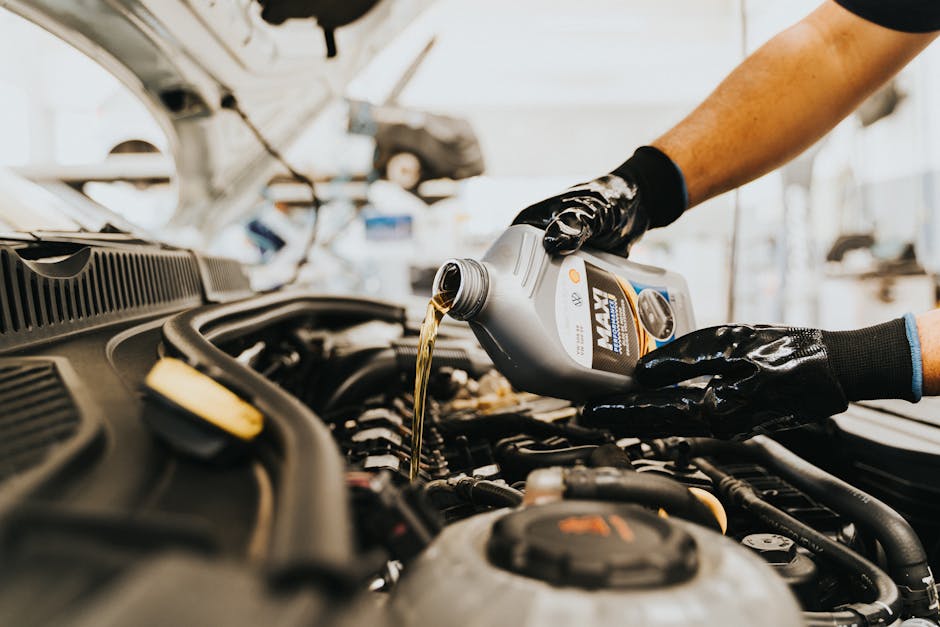
A comprehensive maintenance visit includes:
- Oil and filter change with the correct grade of synthetic oil.
- Air filter and spark plug replacement for reliable ignition and engine protection.
- Battery testing and terminal cleaning to prevent starting failures.
- Fuel system inspection to check gas pressure, lines, and filters.
- Transfer switch testing to ensure it functions correctly.
- Full system inspection for any visible damage, corrosion, or pest intrusion.
While some homeowners can perform visual checks, comprehensive maintenance involves complex electrical and mechanical systems. Professional service by our factory-trained technicians ensures the job is done safely and correctly, keeping your warranty intact.
Repair or Replace? When to Upgrade Your Generator
Sometimes, replacement makes more financial sense than continued repairs. Here are key factors to consider when deciding whether to repair or upgrade:
- Age: If your generator is over 15 years old, it may be nearing the end of its reliable service life.
- Frequency of Repairs: If you are calling for repairs frequently, the cumulative cost can quickly approach the price of a new, more reliable unit.
- Obsolete Parts: For older models, critical replacement parts may be difficult or impossible to find.
- Changing Power Needs: If you’ve added new appliances like central AC or an EV charger, your old generator may no longer be powerful enough.
- Advanced Technology: Modern generators are quieter, more fuel-efficient, and offer smart features like mobile monitoring that provide significant value.
We can help you make an informed decision. We’ll assess your current unit’s condition and help you determine if a repair or replacement is the smarter long-term choice.
Frequently Asked Questions about Generator Repair
We get a lot of questions about whole house generator repair and maintenance. Here are answers to some of the most common ones to help you feel confident about your backup power system.
What are the typical costs for common generator repairs?
Repair costs vary widely depending on the generator model and the specific issue. Most professional services begin with a diagnostic fee, which covers the technician’s time and specialized equipment to accurately identify the problem. This allows us to provide a precise quote before work begins.
As a general guide:
- A battery replacement is one of the more affordable repairs.
- Fuel system repairs, like replacing a filter or pump, can range from a couple hundred to over a thousand dollars.
- Transfer switch repairs can be inexpensive for a minor adjustment but can run into thousands if the entire unit needs replacement.
- Engine or major electrical work is typically the most expensive, which is why preventive maintenance is so crucial.
We always provide a detailed, transparent estimate before starting any repairs, so there are no hidden fees.
How often should my whole house generator be serviced?
The simple answer is that your whole house generator needs professional service once a year. This annual check-up is essential for reliability.
Additionally, it’s wise to schedule service after an extended period of use, such as 50 or more hours during a prolonged outage. Always check your owner’s manual for manufacturer-specific recommendations. If your generator fails its weekly self-test, don’t wait for your annual service—call for a check-up immediately, as it’s a clear sign that something is wrong.
Can a generator power my whole house, including the AC?
Yes, a correctly sized whole house generator can power your entire home, including your air conditioner and other large appliances. This is a primary advantage of a standby system.
The key is proper generator sizing. A generator’s capacity is measured in kilowatts (kW). We calculate your home’s total power needs, including the high-wattage surge required to start appliances like an AC unit, to recommend the right size. Some homeowners opt to power only essential circuits to save on cost, but for full comfort, sizing for your AC is critical in Florida.
Many modern generators also have load management features that prioritize power to essential appliances, preventing overloads. At Lighthouse Energy Services, we can perform a professional load calculation to ensure you get the perfect generator for your home and budget.
Keep Your Power On with Professional Support
Power outages are an unfortunate reality of modern life, but they don’t have to plunge your home into chaos. Your whole house generator is a critical piece of equipment, designed to provide seamless backup power and maintain your comfort and safety. Ensuring its reliability through prompt whole house generator repair and consistent professional maintenance is not just a good idea—it’s essential.
From identifying the subtle signs of trouble to executing complex diagnostics and repairs, the expertise of certified professionals makes all the difference. We’ve seen how regular maintenance extends a generator’s lifespan, improves reliability, and drastically reduces the chance of inconvenient and costly breakdowns. And when issues do arise, knowing you have a trusted partner ready to respond quickly is invaluable.
At Lighthouse Energy Co., we are your go-to experts for all your generator needs in Palm Beach County and throughout South Florida, including Boca Raton, Fort Lauderdale, Jupiter, Miami, and West Palm Beach. We provide 24/7 expert electrical services for residential, commercial, and industrial clients. Our qualified electricians are always on call, ready to provide prompt, professional service with no hidden fees, ensuring your job is “done right, and done right now.” We’re here to keep your power running smoothly, so you never have to worry about being left in the dark.
Don’t wait for the next storm to test your generator’s readiness. If you notice any of the warning signs or if it’s simply time for routine maintenance, reach out to us. We’re committed to ensuring your generator is always prepared to protect your home and family.