
Why Whole House Surge Protection Matters for Modern Homes
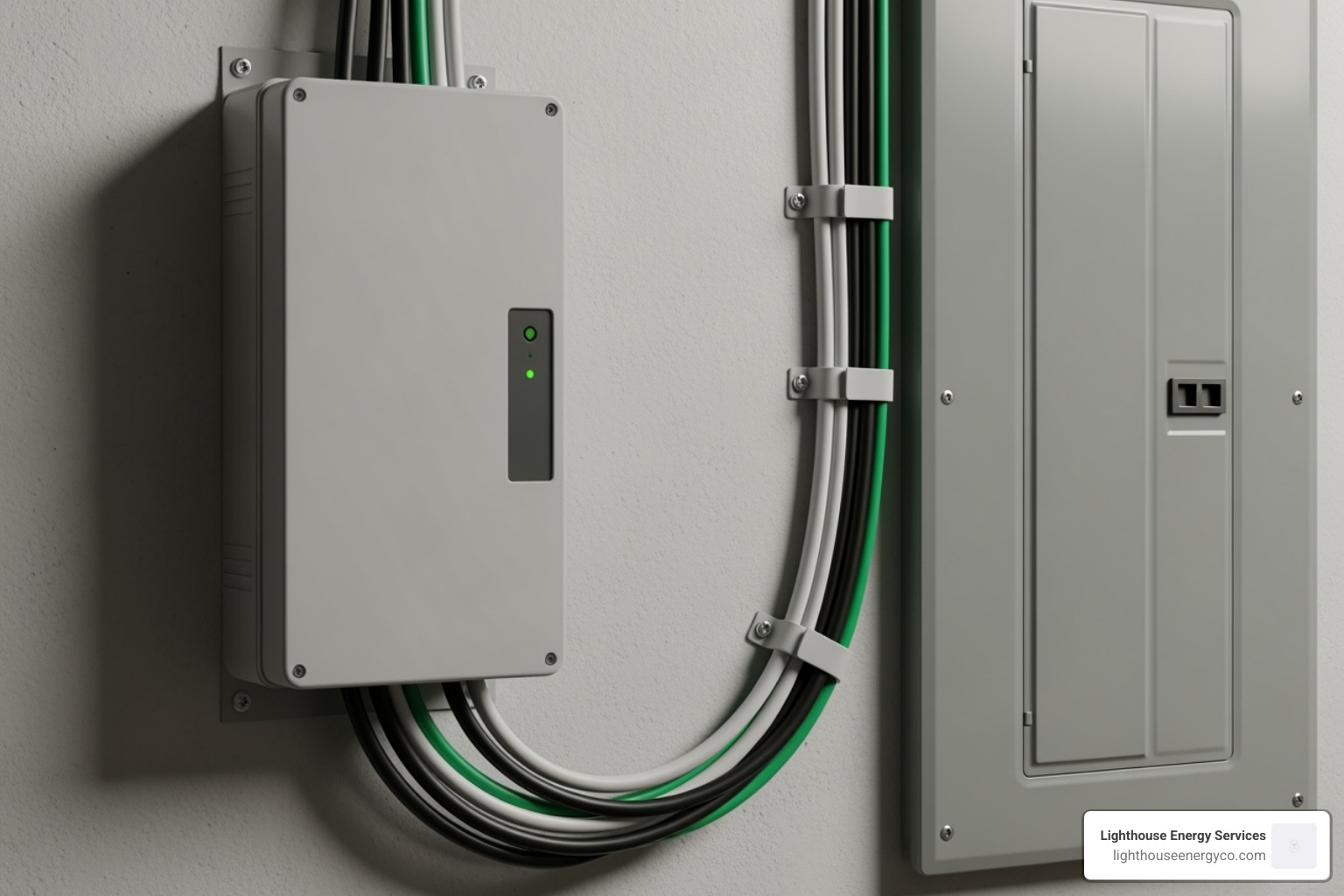
A whole house surge protector is a device installed at your home’s electrical panel to protect all electronics and appliances from damaging voltage spikes. It works by detecting excess voltage and diverting it safely to the ground before it can cause harm.
Quick Answer:
- What it does: Protects your entire home’s electrical system from power surges.
- How it works: Diverts excess voltage to ground when surges are detected.
- Cost: $200-$700 including professional installation.
- Protection level: Rated to stop surges of 40,000 amps minimum.
- Lifespan: Typically 3-5 years, depending on surge exposure.
- Best for: Homes with expensive electronics, smart appliances, and hard-wired systems like HVAC.
Power surges are more common than you think. While lightning is a major threat, up to 80 percent of all surges originate inside your home. These small, daily spikes happen when large appliances cycle on and off, gradually degrading your electronics through what experts call “electronic rust.”
Consider the costly lesson learned by one homeowner who skipped surge protection to save money during a rewiring project. Months later, a nearby lightning strike caused a surge that destroyed $11,000 worth of appliances and electronics. They later spent $940 to install the protection they had initially declined.
Modern homes are filled with sensitive electronics: smart TVs, computers, home office equipment, digitally controlled appliances, HVAC systems, and EV chargers. These devices contain microprocessors vulnerable to voltage spikes. Standard power strips offer low-level protection but can fail during a major surge, allowing the electrical overload to go right through the strip and into your devices.
I’m Bruce Kemp, an electrical contractor with years of experience in residential electrical systems. I’ve seen the damage that power surges can cause. A properly installed whole house surge protector is one of the most cost-effective investments you can make to safeguard your modern lifestyle.
Understanding Power Surges and Protection Basics
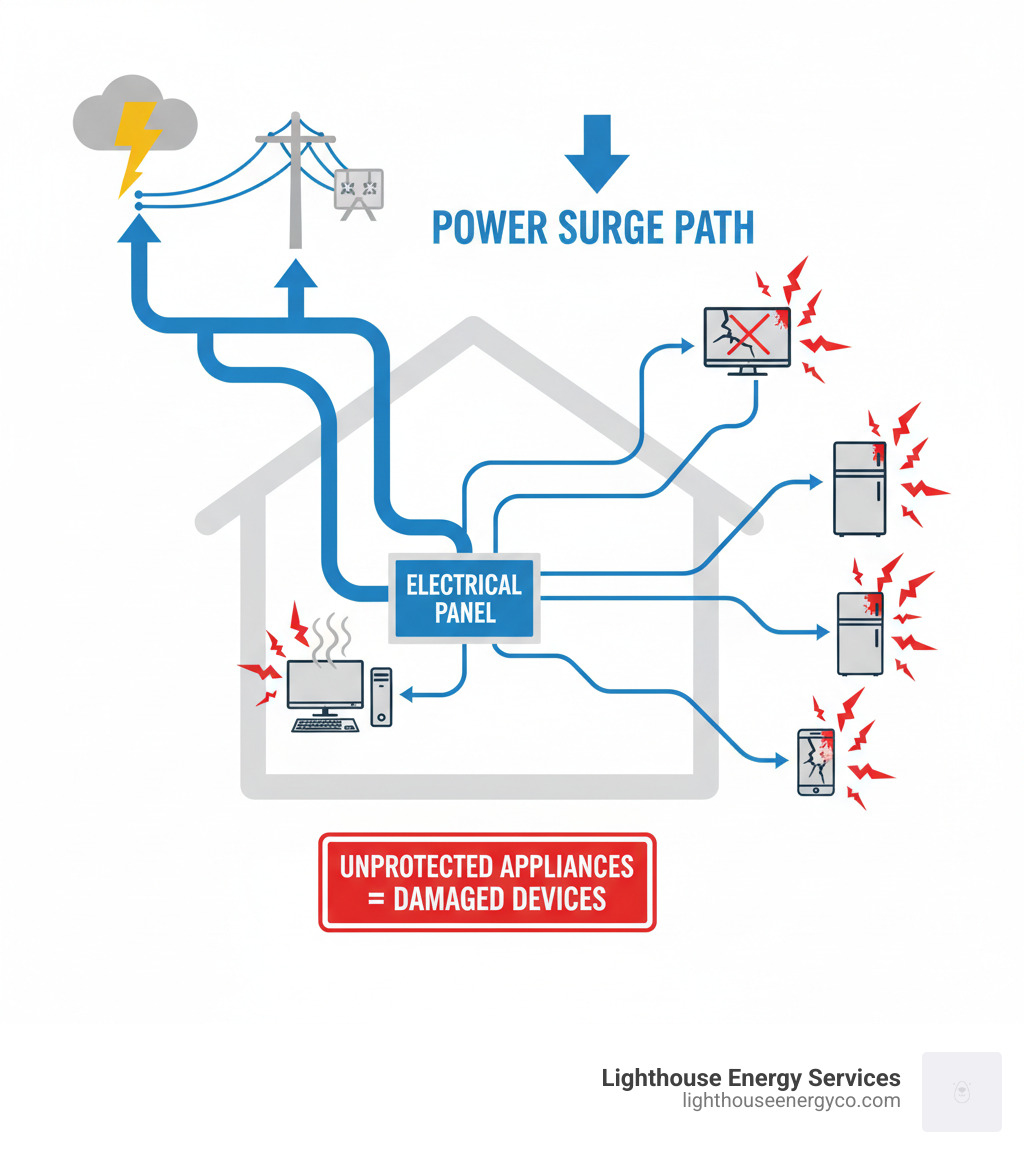
A power surge is a sudden spike in your home’s electrical voltage. Your system is designed for a steady 120 volts, but a surge can jump this to thousands of volts in a microsecond. This transient voltage acts like a sudden blast of water pressure, destroying the delicate circuits inside your electronics.
What Really Causes Power Surges?
Surprisingly, the biggest threat isn’t always external. Up to 80 percent of all surges originate from inside your own home.
- Internal Surges: These happen constantly when large appliances like air conditioners, refrigerators, or hair dryers cycle on and off. While small, these frequent spikes cause cumulative damage known as “electronic rust,” shortening the lifespan of your devices.
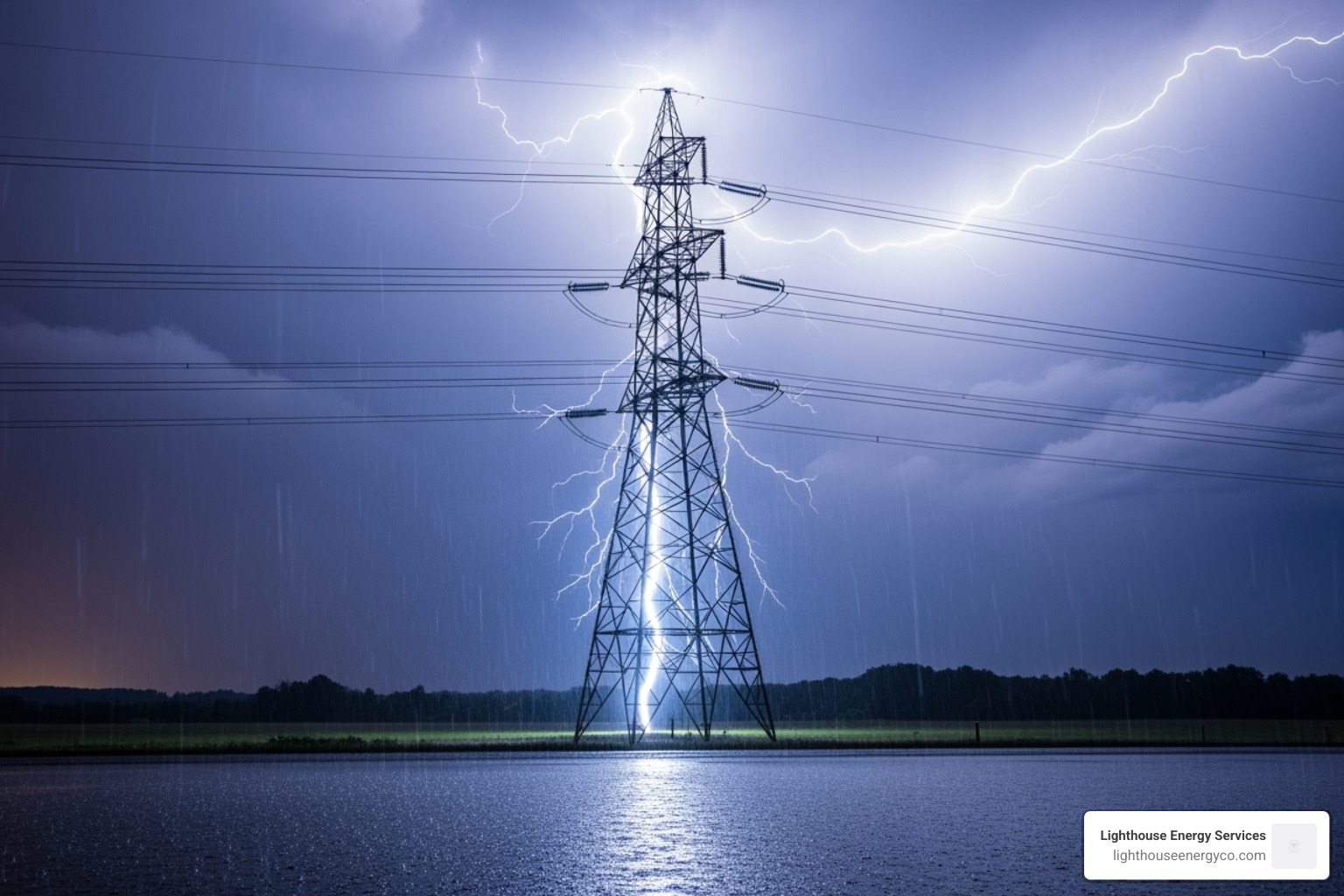
- External Surges: These are less common but far more powerful. They include lightning strikes (even miles away), utility grid switching for maintenance, and downed power lines from storms or accidents. Even power returning after an outage can create a damaging surge.
Your home faces constant threats from both frequent internal surges and powerful external ones.
How Surge Protection Works
Surge protection is simple and effective: when voltage spikes, the protector diverts the excess voltage safely into your home’s grounding system.
This is accomplished by Metal Oxide Varistors (MOVs). Under normal conditions, electricity flows past them. When they detect a voltage spike, their resistance drops instantly, creating a path for the dangerous current to be shunted to ground. Think of them as pressure-relief valves for electricity.
However, MOVs are sacrificial components. Each surge they absorb causes slight degradation, and they eventually wear out. This is why surge protectors have a limited lifespan—they sacrifice themselves to save your electronics.
A whole house surge protector applies this technology at your main electrical panel, stopping surges before they can spread through your home’s wiring and protecting the entire electrical system at its entry point.
Whole House Protectors vs. Power Strips
Power strip surge protectors offer point-of-use protection, guarding only what’s plugged into them. They are useful for small, daily surges but have a critical limitation: most power strip surge protectors only offer low-level surge protection. During a major event like a nearby lightning strike, the electrical overload goes right through the surge protector and fries your devices.
Furthermore, power strips can’t protect hard-wired items like your HVAC system, oven, dishwasher, or water heater.
A whole house surge protector is installed at your electrical panel to protect every outlet and hard-wired appliance simultaneously. It’s rated to handle much larger surges (at least 40,000 amps), providing robust defense against both internal and external threats.
| Feature | Whole House Surge Protector | Power Strip Surge Protector |
|---|---|---|
| Scope of Protection | Protects every outlet and all hard-wired appliances throughout your entire home from a single installation point at the main electrical panel. | Protects only the specific devices plugged directly into that individual strip. |
| Protection Level | Designed for high-level protection against major surge events (minimum 40,000 amps), including lightning strikes, utility grid issues, and internal surges. | Offers low-level protection adequate for small daily surges but often insufficient during major surge events. |
| Cost | Higher upfront investment ($100-$400 for the device, plus installation), with total costs typically $200-$700. | Lower cost ($15-$50 per strip), making them accessible for protecting individual devices. |
| Installation | Requires professional installation by a licensed electrician, as it involves working directly with your main electrical panel. | Simple plug-and-play—just plug the strip into an outlet and connect your devices. |
| Types of Devices Protected | Everything in your home: all outlets, plus hard-wired systems like HVAC, water heaters, ovens, well pumps, and garage door openers. | Primarily portable electronics like computers, TVs, phone chargers, and small appliances. Cannot protect hard-wired systems. |
The best approach is a layered protection strategy. A whole house surge protector acts as the first line of defense, and quality power strips for sensitive electronics catch any residual voltage (up to 15%) that might get through. This two-stage approach provides comprehensive protection against both catastrophic events and daily wear.
For more detailed information about comprehensive surge protection options, visit this resource on home surge protection.
The Pros and Cons: Is a Whole House Surge Protector Worth It?
Is spending several hundred dollars on a whole house surge protector a worthwhile investment? It comes down to weighing the cost of protection against the value of what you’re protecting.
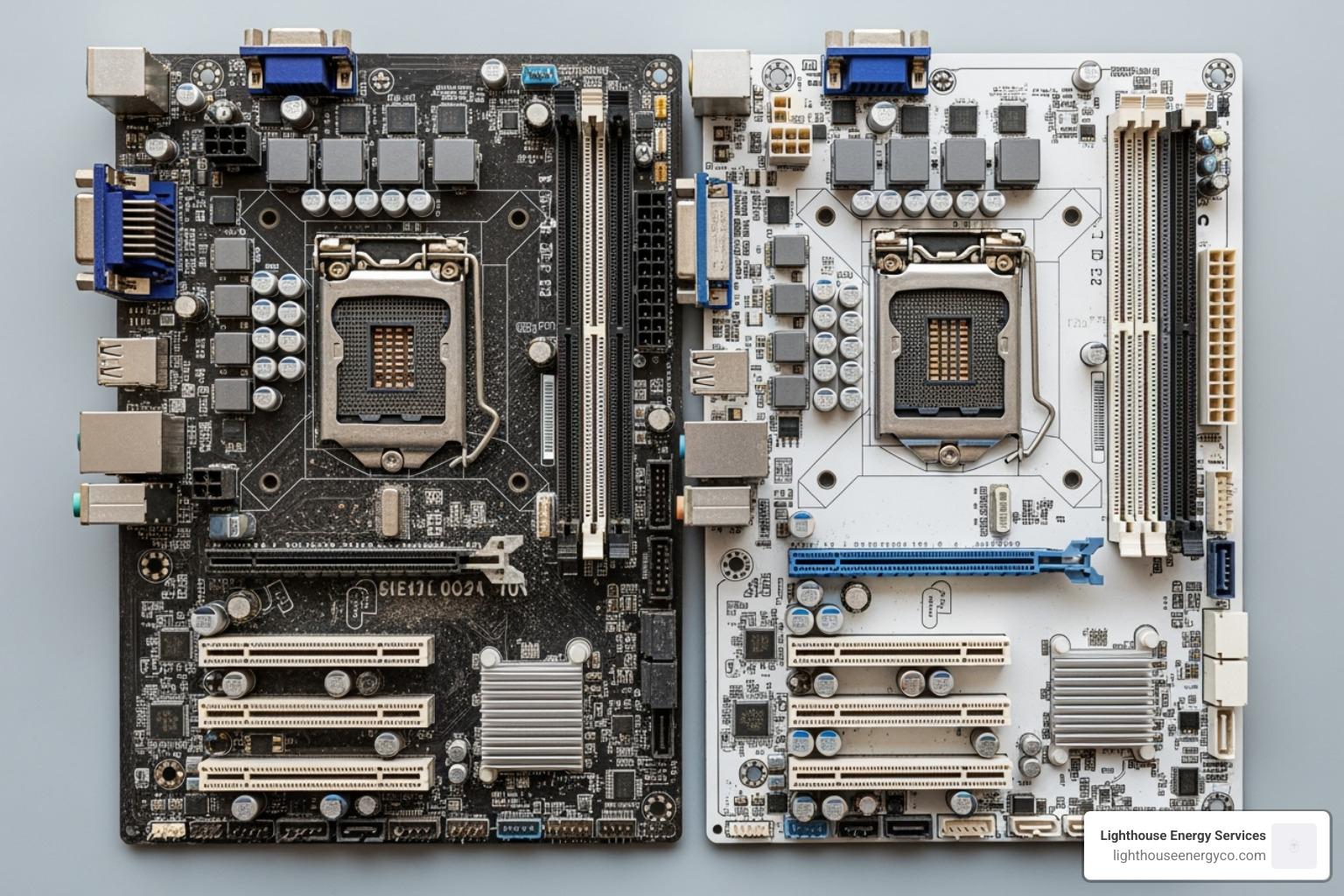
Consider the electronics in your home right now. A smart refrigerator can cost $2,000+, and when you add in your HVAC system, computers, TVs, and smart home devices, you could easily have over $20,000 worth of electronics susceptible to damaging power surges. That doesn’t even account for lost data or the massive inconvenience of multiple systems failing at once.
Today’s devices are packed with sensitive microprocessors that require stable power. Even small, daily surges from your own appliances can cause cumulative damage, slowly wearing them out from the inside.
Key Benefits of Comprehensive Protection
Investing in a whole house surge protector provides several practical advantages:
- Complete Home Protection: It protects every single outlet and every hardwired appliance in your home. This includes big-ticket items you can’t plug into a power strip, like your HVAC system, water heater, refrigerator, and oven.
- Prevents Cumulative Damage: It stops the constant, small surges from appliances cycling on and off. By preventing this “electronic rust,” it extends the lifespan of everything electrical in your home, saving you money on replacements in the long run.
- Provides Peace of Mind: When a storm rolls in, you won’t have to run around unplugging devices. You’ll know your entire home is shielded from the most common electrical threats.
Potential Drawbacks and Considerations
Of course, there are costs and limitations to consider.
The device itself typically costs between $100 and $400. However, this requires professional installation by a licensed electrician due to the dangers of working inside a main electrical panel. Factoring in labor, the total cost is typically $200 to $700, with most homeowners spending around $500.
It’s also important to understand that no surge protector can block 100% of an extreme surge, like a direct lightning strike. The best whole-house units may still allow up to 15% of the excess voltage through. This is why a layered protection strategy is recommended. Your whole house surge protector is the first line of defense, while point-of-use surge protectors for your most sensitive electronics (computers, TVs) provide a second layer of safety.
When is a whole house surge protector most beneficial?
While every modern home can benefit, a whole house surge protector is especially crucial in these situations:
- You have high-value electronics and smart devices: The more expensive your technology, the more you have to lose. The cost of protection is minimal compared to replacing a home theater or office setup.
- You live in an area with frequent lightning or unstable power: If you’re in a storm-prone region like Florida or notice your lights flicker often, your risk is higher.
- You have an older home: While it can’t fix outdated wiring, a surge protector adds a vital layer of defense to an aging electrical system.
- You have an EV charger or solar panels: These systems involve sophisticated electronics that need to be protected.
- You are upgrading your electrical service: Modern electrical codes, including NEC 2020 230.67, now require surge protection on new and upgraded residential services.
In today’s tech-filled homes, a whole house surge protector is one of the smartest investments you can make. The question isn’t whether you can afford the protection—it’s whether you can afford to go without it.
Choosing and Installing Your Whole House Surge Protector
Once you’ve decided to invest in a whole house surge protector, the next step is choosing the right unit and ensuring it’s installed correctly by a qualified electrician.
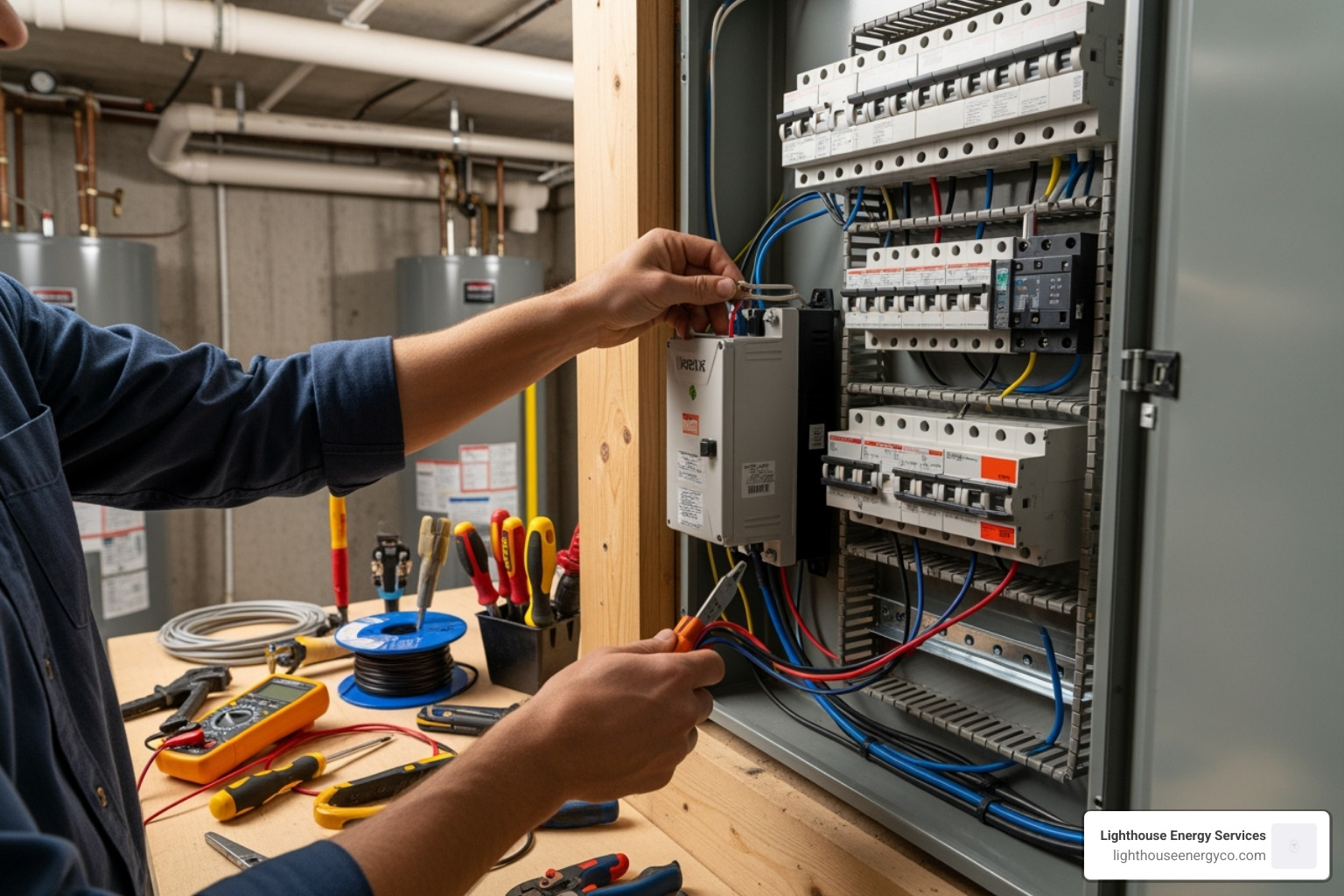
Your home’s electrical service (most modern homes have 200-amp service) is the starting point, but the protector’s own ratings are what truly matter for performance.
Types and Key Features to Look For
Surge Protective Devices (SPDs) are categorized by type. For residential use, you’ll primarily be dealing with Type 2 SPDs. These are installed inside your main electrical panel and protect against both internal and external surges, making them the standard for whole-house protection. (Type 3 SPDs are the point-of-use power strips we’ve discussed).
When selecting a whole house surge protector, look for these key features:
- Surge Capacity (kA): This measures the maximum surge the device can handle. For residential use, a minimum rating of 40,000 amps (40kA) is essential. Higher ratings like 80kA offer longer life and better protection.
- Clamping Voltage (VPR): This is the voltage at which the protector activates. A lower number is better, as it means less voltage gets through to your devices. Look for a VPR of 600V or less.
- Certifications: Ensure the device is certified to UL 1449 (4th or 5th Edition). This is the safety and performance standard for SPDs in the U.S. You can find more information on standards from organizations like NEMA.
- Status Indicators: Most units have an LED light that shows it’s working. If the light goes out, the unit has sacrificed itself and needs to be replaced. Some models also have an audible alarm.
- Warranty: A good manufacturer’s warranty is a sign of quality. Many also offer a “connected equipment warranty,” which provides financial coverage for devices damaged by a surge while protected.
The Importance of Professional Installation
Installing a whole house surge protector is not a DIY job. It involves working with high-voltage electricity at your main panel and must be done by a licensed electrician for several reasons:
- Safety: Electricians have the training and tools to work safely, eliminating the risk of electrocution or fire.
- Code Compliance: An electrician ensures the installation meets all National Electrical Code (NEC 230.67) and local regulations, which is necessary for passing inspections and maintaining insurance coverage.
- Proper Grounding: A surge protector is useless without a proper connection to your home’s grounding system. An electrician will verify your grounding is adequate so the device can safely divert surge energy.
- Correct Panel Integration: Proper wiring and placement within the panel are crucial for the device to function as the first line of defense for your entire home.
At Lighthouse Energy Services, our qualified electricians ensure every job is done right the first time. We offer transparent pricing and are available 24/7. Learn more about how we can protect your home by visiting Our Services page.
Lifespan and Replacement of a whole house surge protector
A whole house surge protector does not last forever. The internal components (MOVs) are sacrificial, meaning they degrade with every surge they absorb. This component degradation is normal and expected.
The typical lifespan is 3-5 years, but this varies based on how many surges your home experiences. A home in a storm-prone area may need replacements more frequently.
Thankfully, you’ll know when it’s time for a replacement. The LED status indicator on the unit is your guide. If that light is off, the protection is gone, and the unit must be replaced immediately. We recommend checking the light as part of your regular home maintenance routine. When it’s out, call an electrician to install a new one before the next surge hits.
Frequently Asked Questions about Whole House Surge Protection
Homeowners often have questions about whole house surge protectors. Here are answers to the most common ones we hear.
How much does a whole house surge protector cost?
The total cost includes both the device and professional installation.
- Device Cost: A quality unit typically costs between $100 and $400.
- Labor Cost: Professional installation by a licensed electrician is required and usually takes a couple of hours.
All-in, the typical cost to purchase and install a whole house surge protector ranges from $200 to $700. Most homeowners spend around $500. When you compare this one-time investment to the cost of replacing a fried refrigerator ($1,500+) or an HVAC control board ($800+), the value of protection becomes clear.
Will a surge protector protect my home from a direct lightning strike?
This is a critical question with a nuanced answer. A whole house surge protector is extremely effective at stopping surges from nearby lightning strikes—for example, a strike on a utility pole down the street. It detects the incoming voltage spike on the power lines and diverts it to ground, protecting your home’s circuits.
However, a direct lightning strike on your home itself is an extreme event, carrying millions of volts of energy. No standard surge protector is designed to handle that much power. While the device may sacrifice itself, a significant amount of energy can still overwhelm your electrical system.
For protection against direct strikes, a separate Lightning Protection System (LPS) is required. This involves lightning rods, conductors, and a dedicated grounding system to channel a direct hit safely into the earth. For most homeowners, a whole house surge protector provides excellent protection against the most common and likely electrical threats.
Do I still need power strips if I have a whole-house unit?
Yes, absolutely. Using both is part of a smart layered protection strategy.
Your whole house surge protector is the first line of defense, stopping large surges at the electrical panel. However, even the best suppressors can allow up to 15 percent of residual voltage to leak by. This smaller surge can still damage highly sensitive electronics over time.
This is where point-of-use power strips come in. They act as a second line of defense, catching any leftover voltage before it reaches your most valuable devices, such as:
- Computers and home office equipment
- Home theater systems and high-end TVs
- Gaming consoles and audio equipment
Think of it like a car’s safety system: the whole-house unit is the airbag, and the power strip is the seatbelt. You want both working together for the most comprehensive protection possible.
If you have questions about surge protection for your specific home situation, our team at Lighthouse Energy Services is here to help. We’re available 24/7 to answer your questions and provide expert guidance. Contact us for residential electrical services and let’s make sure your home is properly protected.
Conclusion: Secure Your Home’s Electrical Future
Our homes are filled with technology that makes life better, but these sensitive electronics are vulnerable to power surges. From the constant, small spikes caused by appliances to the massive jolt from a nearby lightning strike, these voltage fluctuations pose a real and costly threat.
Investing in a whole house surge protector is a proactive step to safeguard your home, extend the life of your appliances, and gain valuable peace of mind. While no single device offers 100% protection against every possibility, a professionally installed whole house surge protector dramatically reduces your risk and can save you thousands in replacement costs. The modern home is simply too valuable to leave unprotected.
At Lighthouse Energy Services, we’ve seen the costly aftermath of surge damage. Our qualified electricians are available 24/7 to provide expert installation of whole house surge protectors, ensuring your system is installed correctly to meet all codes and provide maximum protection.
Don’t wait for a damaging surge to realize the value of protection. Take action now to secure your home’s electrical future. Contact us for residential electrical services and let Lighthouse Energy Services help you protect what matters most.