
Why New Home Electrical Wiring Is the Foundation of Your Home’s Safety
New home electrical wiring is the hidden network that powers your life. Getting it right from the start ensures safety, efficiency, and adaptability for future technology. Getting it wrong can lead to fires, costly repairs, and system failures.
Here’s what you need to know about new home electrical wiring:
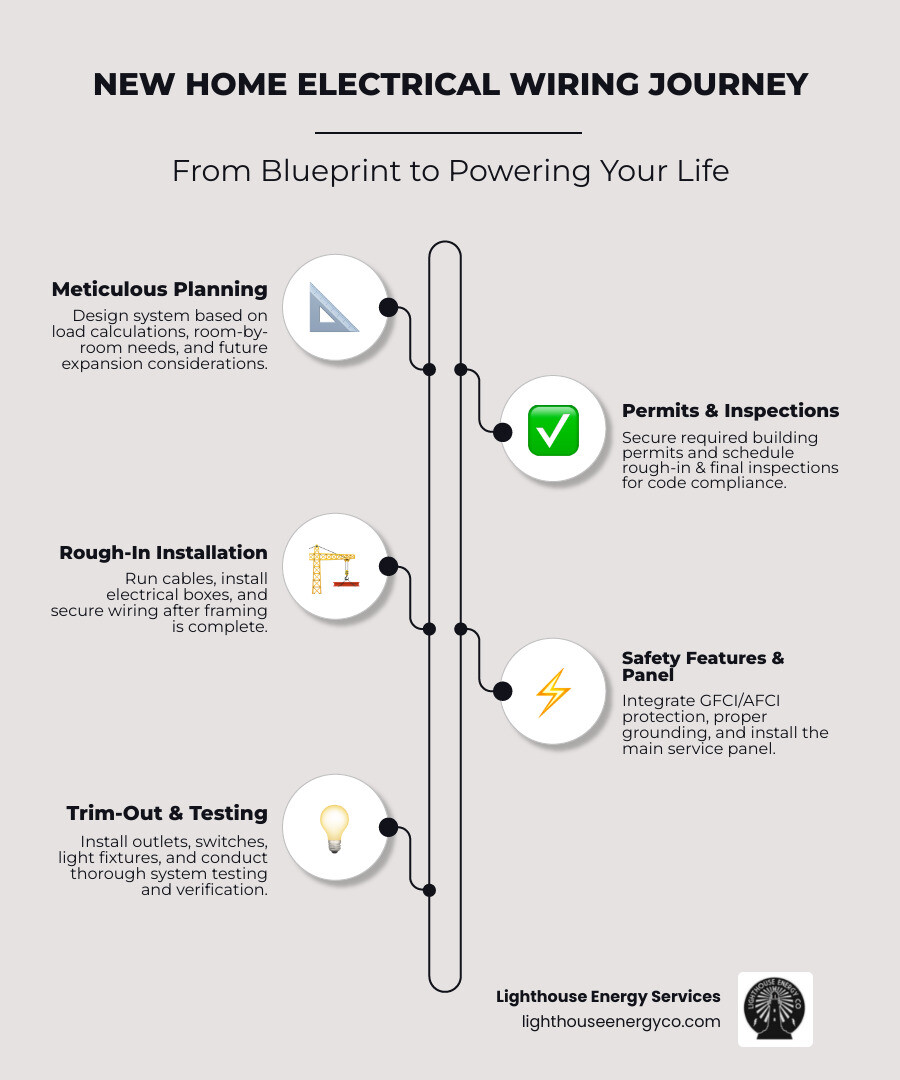
- Planning is critical – Design must be based on load calculations, room needs, and future expansion.
- Safety features are non-negotiable – GFCI outlets, AFCI protection, and proper grounding prevent shocks and fires.
- Installation happens in phases – Rough-in wiring occurs after framing, and trim-out happens after drywall.
- Professional installation is essential – Licensed electricians ensure code compliance and safety.
- Permits and inspections are required – Inspections verify your system meets local building codes.
- Future-proofing saves money – Planning for smart homes, EV chargers, and solar prevents expensive retrofits.
The stakes are high. Home electrical fires account for an estimated 51,000 fires each year, causing nearly 500 deaths and over $1.3 billion in property damage. Most stem from faulty wiring or improper installations—problems that are preventable with a professional approach.
Understanding the electrical wiring process helps you make informed decisions. I’m Bruce Kemp, an electrical contractor with decades of experience designing and installing new home electrical wiring systems. My company handles everything from permits to final inspections, ensuring every project meets code and exceeds safety standards.
Understanding the Building Blocks: Planning Your Electrical System
Before construction, detailed planning is essential for your new home electrical wiring. A solid electrical plan prevents future frustrations, like not having enough outlets or circuits that can’t handle your appliances. The process begins with a load calculation to determine your home’s total electricity needs, which dictates your service panel size and circuit requirements. An incorrect calculation can lead to tripping breakers or fire hazards.
Next, we consider room-by-room considerations and outlet and switch placement. We map out how you’ll use each space to ensure outlets are accessible and switches are intuitive. The National Electrical Code (NEC) sets minimums, like requiring outlets every 12 feet, but smart planning goes further. All decisions follow established Electrical Safety Principles to protect your family. To see how we approach projects, check out more info about our electrical services.
Essential Components for New Home Electrical Wiring
Understanding the parts of your electrical system helps you make informed decisions.
- Service Panel: The breaker box where power enters your home and is divided into circuits.
- Circuit Breakers: Automatic safety switches inside the panel that trip to cut power during an overload or short circuit, preventing fires.
- Wire and Cable Types: For most interior new home electrical wiring, we use non-metallic (NM) cable, often referred to by the brand name Romex. A wire is a single conductor, while a cable is a bundle of wires.
- Wire Gauge: This refers to the wire’s thickness. A smaller gauge number means a thicker wire that can carry more current. Using the wrong gauge is a serious fire hazard.
- Wire Color Coding: A universal safety language. Black/red wires are hot (carry current), white/gray are neutral, and green/bare copper are for grounding.
- Outlet and Junction Boxes: These boxes house switches and receptacles and protect wire connections. Code limits how many wires can fit in a box to prevent heat buildup.
GFCI, AFCI, and Grounding: The Critical Safety Trio
Three technologies are the foundation of modern electrical safety.
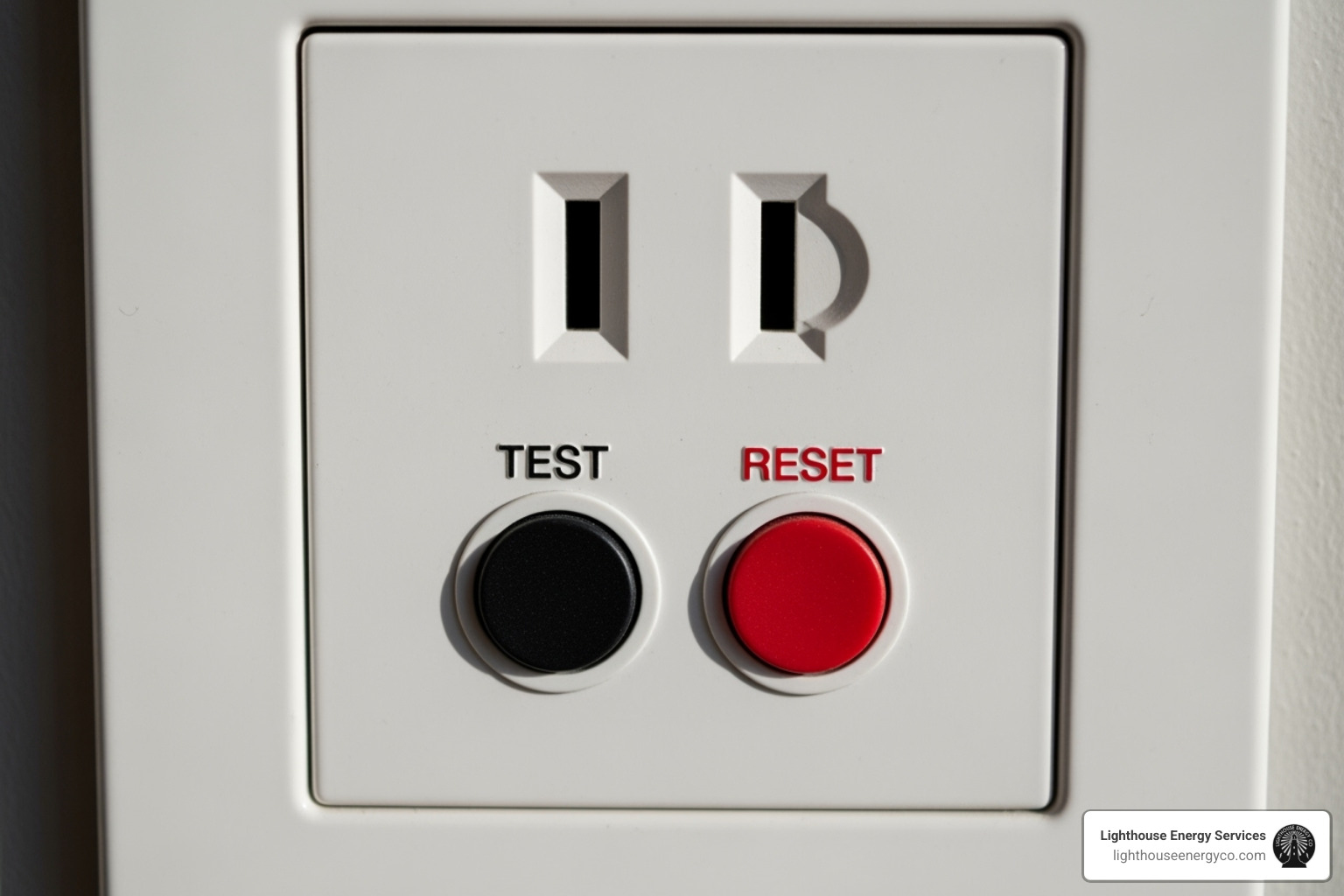
Ground Fault Circuit Interrupters (GFCI) protect you from electric shock by detecting current leaks and cutting power in milliseconds. They are required in locations where water is present, such as bathrooms, kitchens, laundry rooms, garages, and outdoor outlets.
Arc Fault Circuit Interrupters (AFCI) protect against electrical fires caused by damaged wiring or loose connections. They detect dangerous electrical arcs and shut down the circuit. Modern codes require AFCI protection in most living spaces, including bedrooms, living rooms, and hallways, with specific requirements varying by state but often required in most of your home’s living spaces.
Proper grounding provides a safe path for electricity to flow into the earth during a fault, which is a critical aspect of electrical safety. Your home’s grounding electrode system connects to ground rods, and every metal electrical component is tied into this system, creating an invisible safety net.
Permits and Inspections: Doing it by the Book
Building permits are not just bureaucracy; they are your protection, ensuring work meets safety standards. In South Florida, from Palm Beach to Electrical – Miami-Dade County, permit requirements are taken seriously to protect homeowners.
The inspection process happens in stages. The rough-in inspection occurs after wiring is installed but before drywall goes up, allowing inspectors to see the wiring, boxes, and connections. The final inspection happens after all devices are installed to verify correct connections and test safety features. Passing inspections is necessary to get your Certificate of Occupancy and confirms your system was installed according to the National Electrical Code. Unpermitted work can also void your homeowner’s insurance. We handle the entire permit process to ensure your home’s electrical system is safe, reliable, and built to last.
The Installation Process for New Home Electrical Wiring
Installing new home electrical wiring is a multi-phase process that begins after the home is framed. It requires careful coordination with other trades like plumbers and HVAC technicians to prevent conflicts with ductwork and pipes. Our professional electricians use specialized tools to ensure every part of the installation is safe and code-compliant.

The Rough-In Phase: Laying the Groundwork
The rough-in phase occurs after framing but before insulation and drywall. This is when the system’s structure is built.
First, we drill holes through studs and joists to create pathways for cables, ensuring they are placed to protect wires from future nails or screws, often using ¾” diameter holes. Next, we pull the correct type and gauge of cable through these holes, running them from the main panel location to every planned outlet, switch, and fixture.
Electrical boxes for switches and receptacles are mounted securely to the framing, positioned to be flush with the finished wall. All cables are then fastened to the framing to prevent sagging. We leave extra wire in each box and at the panel to allow for proper connections and future adjustments. All this work remains exposed for the rough-in inspection.
Installing the Main Electrical Panel and Major Circuits
The main electrical panel is the hub where all circuits converge. Today, more common to find 200-amp service is standard for new homes, providing enough power for modern life, though larger homes may need 300- or 400-amp service. The panel is installed in an accessible, dry location like a garage or utility room, with room for future expansion.
This phase also includes wiring for heavy-duty 240-volt appliance circuits for items like an electric range or central air. These require heavier gauge wiring. Many other appliances, such as the refrigerator and microwave, get their own dedicated circuits to prevent overloading. While a 15-amp circuit may only need 14-gauge wire, we always match the wire to the load. Connecting these circuits to the panel is complex work that demands professional expertise.
The Trim-Out Phase: Final Connections and Testing
After drywall, painting, and flooring are complete, we return for the trim-out phase. This is when the hidden wiring becomes a functional system.
We install all receptacles (including tamper-resistant outlets required by code), switches, and light fixtures, ensuring each is level and securely connected. We also make final connections for major appliances.
The final step is comprehensive system testing. We check voltage at every outlet, test every switch, and verify that all GFCI and AFCI circuits function correctly. We also ensure the panel is clearly labeled. This thorough testing confirms the system is safe, reliable, and ready for you to move in.
Future-Proofing, Efficiency, and Cost
Designing your new home electrical wiring with the future in mind saves money on expensive retrofits and ensures your home can adapt to new technology.
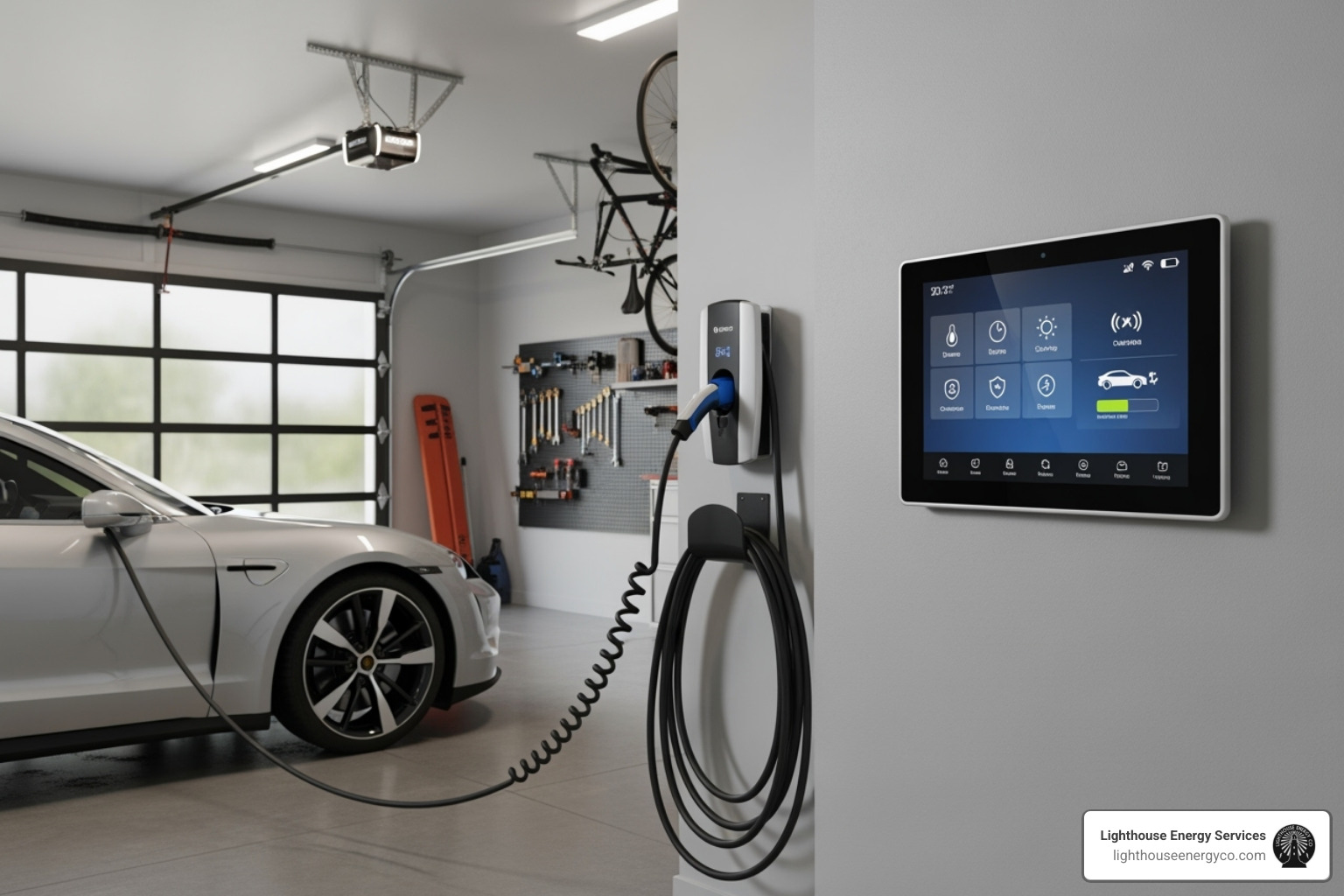
- Smart Home Integration: Planning for smart switches, outlets, and control panels during construction is far easier than adding them later.
- EV Chargers: The demand for EV (electric vehicle) charger installations is growing. Installing a dedicated 240-volt circuit during the build is a simple, cost-effective step.
- Energy Efficiency: LED lighting uses up to 75% less energy and lasts much longer than traditional bulbs. Paired with smart controls, the savings are significant.
- Solar Readiness: Even if solar panels aren’t in your immediate budget, solar panel pre-wiring is a smart investment. Running conduit and preparing the panel during construction saves thousands on a future installation. Our Residential Electrical Services include planning for solar readiness.
Designing for Future Expansion
To avoid costly future upgrades, we design systems with room to grow.
- Panel Oversizing: Installing a main panel with more capacity and extra breaker slots than you currently need (e.g., a 200-amp panel) provides flexibility for future additions like a workshop or EV charger.
- Installing Conduit: Running empty conduits to key locations creates pathways for future cables (like for security cameras or a home theater) without needing to open walls.
- Pre-wiring for Data: While Wi-Fi is convenient, hardwired ethernet (Cat6) connections offer superior speed and reliability for home offices and entertainment systems.
- Planning for Additions: If you dream of a pool or outdoor kitchen, we can install the necessary infrastructure during the initial build to make future expansions straightforward.
Typical Costs for New Home Electrical Wiring
The cost of new home electrical wiring depends on size, complexity, and features. Ballpark figures are $4,000-$7,000 for a 1,000 sq ft home and $9,000-$16,000 for a 2,500 sq ft home, but a precise quote requires a detailed plan.
Factors that influence cost include:
- Home Size and Layout: Larger or more complex homes require more materials and labor.
- Panel Amperage: Upgrading from 100-amp to 200-amp or 400-amp service increases cost.
- Material Costs: The price of wire fluctuates, and choices like smart switches or designer fixtures affect the budget.
- Labor Rates: Licensed electricians in South Florida typically charge between $50 and $150 per hour.
- Permit Fees: These generally run from $100 to $400.
- Specialty Items: Circuits for EV chargers, 240-volt appliances, and smart home systems add to the total investment but also add value.
New Construction vs. Renovation Wiring
Wiring a new home is different from renovating an old one.
New construction offers a blank canvas. With open walls, we can design and install an ideal system efficiently and to the latest code standards.
Renovations in older homes present challenges. Electricians must “fish” wires through closed walls, which is labor-intensive. We often encounter outdated and unsafe wiring, like knob-and-tube or aluminum wiring, which requires complete replacement. Bringing an old system up to current code often means a new service panel and adding GFCI/AFCI protection. Due to these complexities, rewiring an older home can sometimes cost more per square foot than a new installation.
Frequently Asked Questions about New Home Wiring
Why is it crucial to hire a professional electrician for new home wiring?
While DIY videos on electrical wiring might seem simple, new home electrical wiring is a complex job for licensed professionals only. Here’s why:
- Safety: Improper wiring is a leading cause of house fires and electrocution. Professionals are trained to prevent these hazards.
- Code Compliance: The National Electrical Code is extensive and regularly updated. A pro ensures your home passes inspection, avoiding costly delays and re-work.
- Experience: Licensed electricians have the knowledge to properly size wires, install safety devices, and troubleshoot complex issues.
- Insurance: Many insurance policies will not cover damage from unlicensed electrical work. Professional installation protects your investment.
At Lighthouse Energy, our qualified electricians are available 24/7. Whether it’s a new build or you Need an Emergency Electrician?, we ensure your home is safe and compliant.
What are the most important considerations during the electrical planning phase?
The best electrical systems are planned with your lifestyle in mind. Key considerations include:
- Future Needs: Plan for potential additions like an EV charger, solar panels, or a workshop.
- Furniture Layout: Place outlets and switches where they will be convenient and not blocked by furniture.
- Appliance Specifications: Ensure dedicated circuits are planned for major appliances like the range, dryer, and microwave.
- Lighting Design: Consider a mix of ambient, task, and accent lighting with features like dimmers and motion sensors.
- Outdoor Power: Plan for outlets and lighting on patios, decks, and in landscaping.
What are GFCI and AFCI protection, and where are they required?
GFCI and AFCI are two essential safety technologies required in modern homes.
GFCI (Ground Fault Circuit Interrupter) protects against electric shock. It detects when electricity is flowing through an unintended path (like a person) and instantly cuts the power. The NEC requires GFCI protection in all bathrooms, kitchens, laundry rooms, garages, unfinished basements, and outdoor outlets.
AFCI (Arc Fault Circuit Interrupter) protects against electrical fires. It detects dangerous arcing from damaged or loose wires and shuts down the circuit before a fire can start. AFCIs are required in most of your home’s living spaces, including bedrooms, living rooms, dining rooms, hallways, and closets.
Conclusion
Proper new home electrical wiring is the foundation of a safe, efficient, and future-ready home. It’s not just about powering lights; it’s about protecting your family from the real risks of electrical fires and shocks. With over 51,000 electrical fires in U.S. homes annually, professional installation is not a luxury—it’s a necessity.
Correct wire sizing, secure connections, and proper safety devices are what separate a safe system from a hazardous one. This is where professional expertise is critical. Our team at Lighthouse Energy Services has wired countless homes across South Florida, from Jupiter to Miami-Dade County. We know the local codes and bring decades of experience to every project.
Working with licensed electricians provides peace of mind, ensuring your system is safe, code-compliant, and reliable. Let the electrical system be one decision you feel completely confident about. For expert planning and installation of your new home’s electrical system, trust the professionals. Contact us today for a consultation on your residential electrical project. We’ll ensure your new home electrical wiring is done right, and done right now.