
The Hidden Dangers in Your Walls
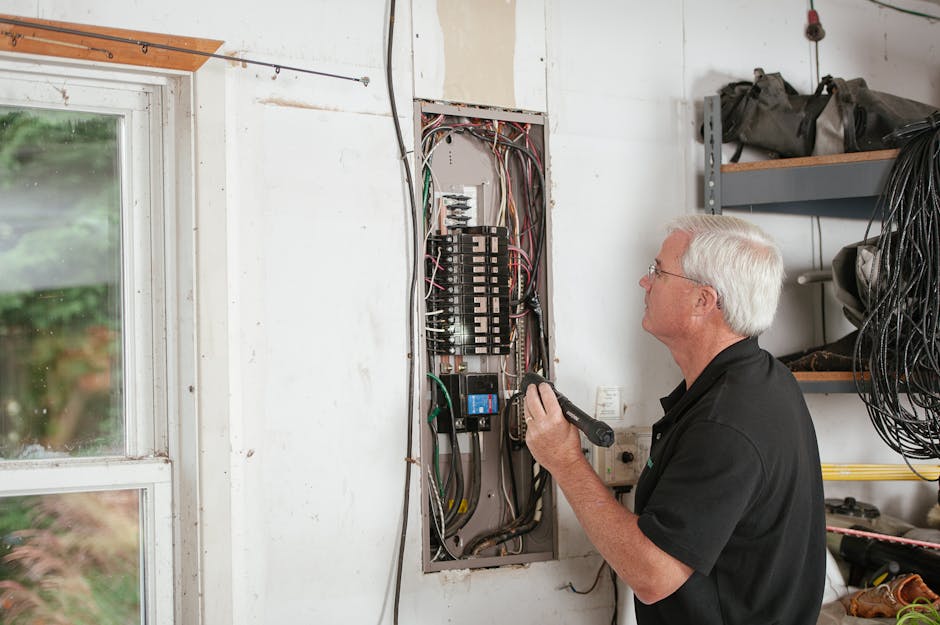
An electrical home safety check is a professional inspection of your home’s electrical system to identify hazards that could cause fires, shocks, or electrocution. During this comprehensive evaluation, a licensed electrician examines your wiring, outlets, circuit breakers, and safety devices to ensure your home meets current electrical codes. You’ll receive a detailed report with safety recommendations, and the cost typically ranges from $150-$350.
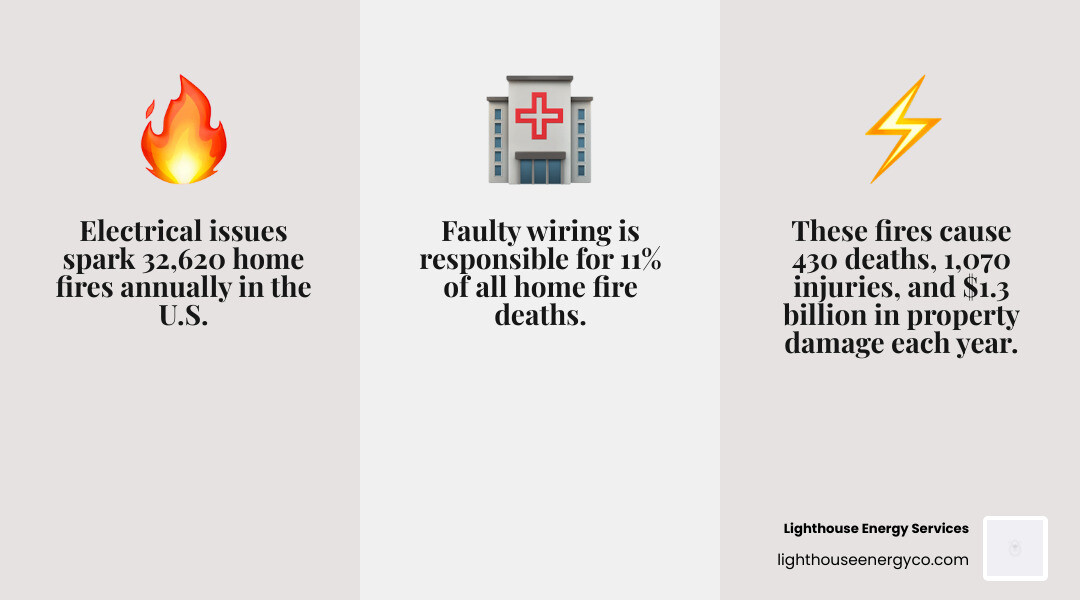
The stakes are high. Electrical issues cause over 32,000 home fires annually in the U.S., leading to hundreds of deaths, thousands of injuries, and over $1.3 billion in property damage. Many of these tragedies are preventable, as hazards often hide within walls and aging systems that seem to work fine. Warning signs like flickering lights, warm outlets, and frequently tripping breakers signal that danger may be developing.
I’m Bruce Kemp, a licensed electrical contractor with years of experience performing these safety checks. I’ve seen how a thorough inspection can uncover small problems before they become deadly. My work has helped countless homeowners identify and resolve hidden electrical hazards, protecting their families and property.
Understanding the Electrical Inspection: What It Is and When You Need One
Your home’s electrical system is a complex network working behind the scenes. Like any critical system, it needs regular check-ups. An electrical home safety check is your first line of defense against fires, shocks, and system failures. Catching problems early protects your family and your wallet. Many insurance companies now require a recent inspection for older homes, and a clean report can boost your home’s value when you sell.
However, there’s a major difference between a general home inspection and a specialized electrical home safety check by a licensed electrician. A general inspector performs a quick visual check, but a licensed electrician digs deeper to examine wiring types, grounding, breaker ratings, and code violations that could put your home at risk.
| Feature | General Home Inspection | Specialized Electrical Inspection (by a Licensed Electrician) |
|---|---|---|
| Scope | Visible electrical components (outlets, switches, panel) | All accessible electrical components, including behind-the-wall wiring types, grounding, circuit capacity, safety devices |
| Depth of Examination | Surface-level, functional check | In-depth, code-compliance, safety hazard identification |
| Expertise | General knowledge of home systems | Specialized electrical codes, wiring, and safety standards |
| Primary Goal | Overall home condition assessment | Detailed electrical safety and compliance assessment |
| Common Findings | Obvious damage, non-functional outlets | Outdated wiring, improper grounding, overloaded circuits, hazardous panels, GFCI/AFCI deficiencies |
When to Schedule an Inspection
Here are the most critical times to schedule an electrical home safety check:
- Buying a new home: Know exactly what you’re getting before you sign. An inspection provides peace of mind and negotiating power.
- Selling your property: Addressing issues upfront makes the process smoother and shows buyers you’ve cared for the home.
- Homes over 40 years old: These systems weren’t designed for modern electrical loads. We recommend inspections every 1-3 years for homes over 40, and every 3-5 years for newer ones.
- Major renovations or additions: Your system must be evaluated to ensure it can handle the new work.
- Adding large appliances: An EV charger, pool pump, or new AC unit requires an inspection to ensure your panel can handle the increased demand.
- Warning signs: Don’t ignore flickering lights, tripping breakers, a burning smell, warm outlets, or small shocks. These are your home’s cry for help. Learn more at our services page.
Special Considerations for Older Homes
Older homes in Palm Beach County often have charming but outdated electrical systems.
- Knob and tube wiring (common in homes from the 1880s-1940s) lacks a ground wire, and its insulation becomes brittle over time. Covering it with insulation is a major fire hazard.
- Aluminum wiring (mid-1960s to mid-1970s) can cause loose connections as it expands and contracts, leading to heat buildup and fire risk. This requires specialized repair techniques.
- Outdated electrical panels often provide only 30-60 amps when modern homes need 100-200. Some brands (Federal Pacific, Zinsco, Challenger) have known defects and may fail to trip during an overload, creating a severe fire risk.
- Ungrounded outlets (two-slot outlets) lack a safety path for stray electricity, increasing the risk of a serious shock.
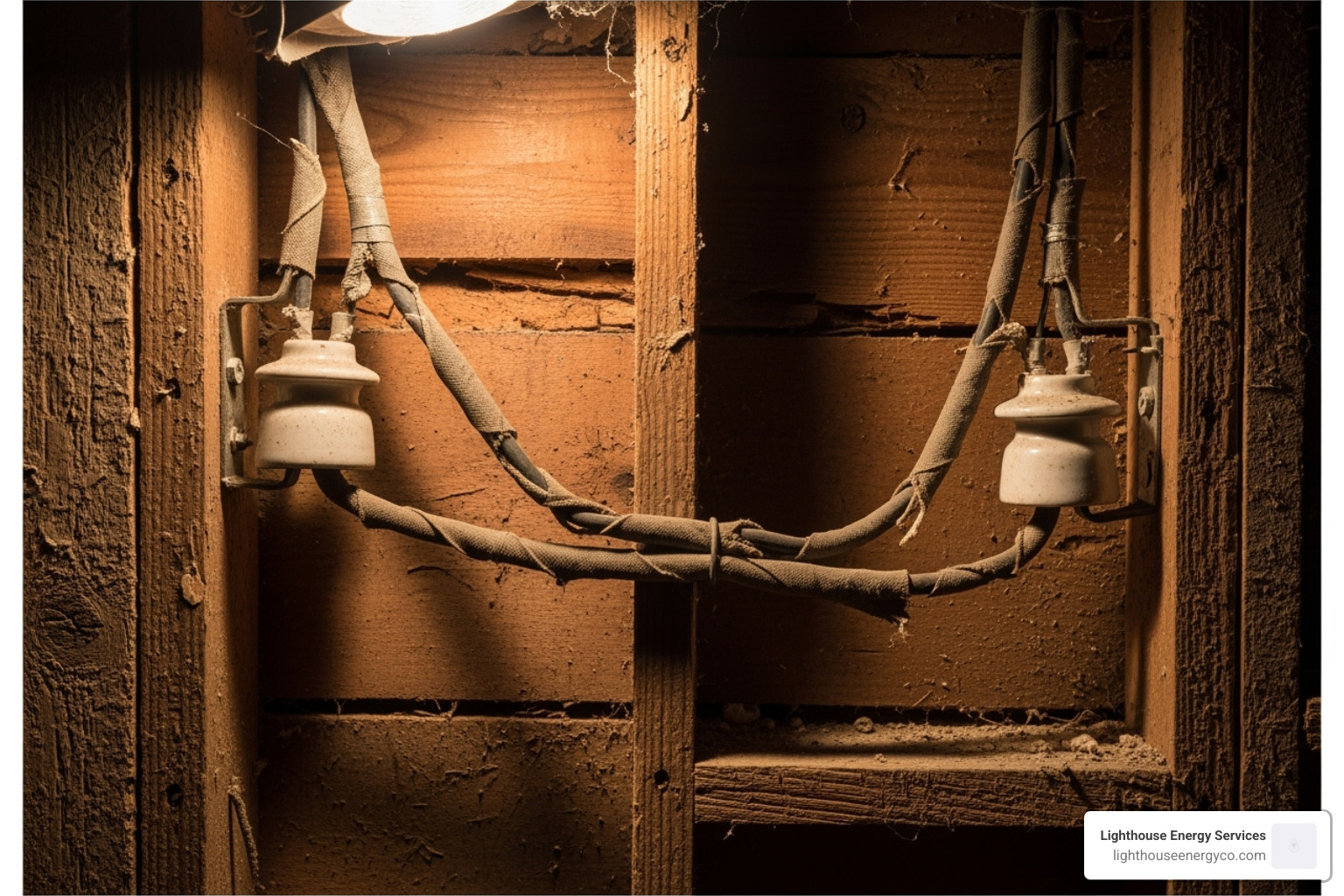
If you live in an older home, a professional electrical home safety check is essential to bring your home safely into the 21st century.
What to Expect During a Professional Electrical Home Safety Check
When you schedule an electrical home safety check with Lighthouse Energy Services, our licensed electricians conduct a deep dive into your electrical system’s health. We stay current with the National Electrical Code (NEC), which is updated every three years, to ensure your home meets today’s safety standards.
The inspection typically takes a few hours. We methodically examine each component, and you’re welcome to ask questions along the way. Afterward, we provide a detailed, easy-to-understand written report that prioritizes any issues we find, giving you a clear roadmap for maintaining a safe home.
Key Components and Areas Inspected
Our electricians systematically examine every accessible part of your electrical system:
- Electrical Panel: We check for proper sizing, clear labeling, corrosion, and signs of overheating. We also look for known hazardous brands like Federal Pacific Electric (FPE).
- Circuit Breakers/Fuses: We ensure breakers are correctly sized for their wires and are not damaged. For fuse boxes, we assess if an upgrade is needed.
- Wiring Condition: In accessible areas, we look for frayed insulation, exposed wires, and damage from rodents or renovations, paying special attention to aluminum or knob and tube wiring.
- Grounding System: We verify that your home’s grounding and bonding are intact, which is critical for preventing shock.
- Outlets and Switches: We test for proper operation, secure mounting, and signs of overheating. All outlets must have faceplates.
- Lighting Fixtures: We check for secure installation and ensure bulbs do not exceed the fixture’s maximum wattage rating.
- Surge Protection: We evaluate your whole-house and point-of-use surge protection, which is vital in lightning-prone Florida.
- Smoke and Carbon Monoxide Detectors: We ensure these life-saving devices are correctly installed, functional, and have fresh batteries.
The Role of GFCIs and AFCIs
Two key safety devices we inspect are GFCIs and AFCIs.
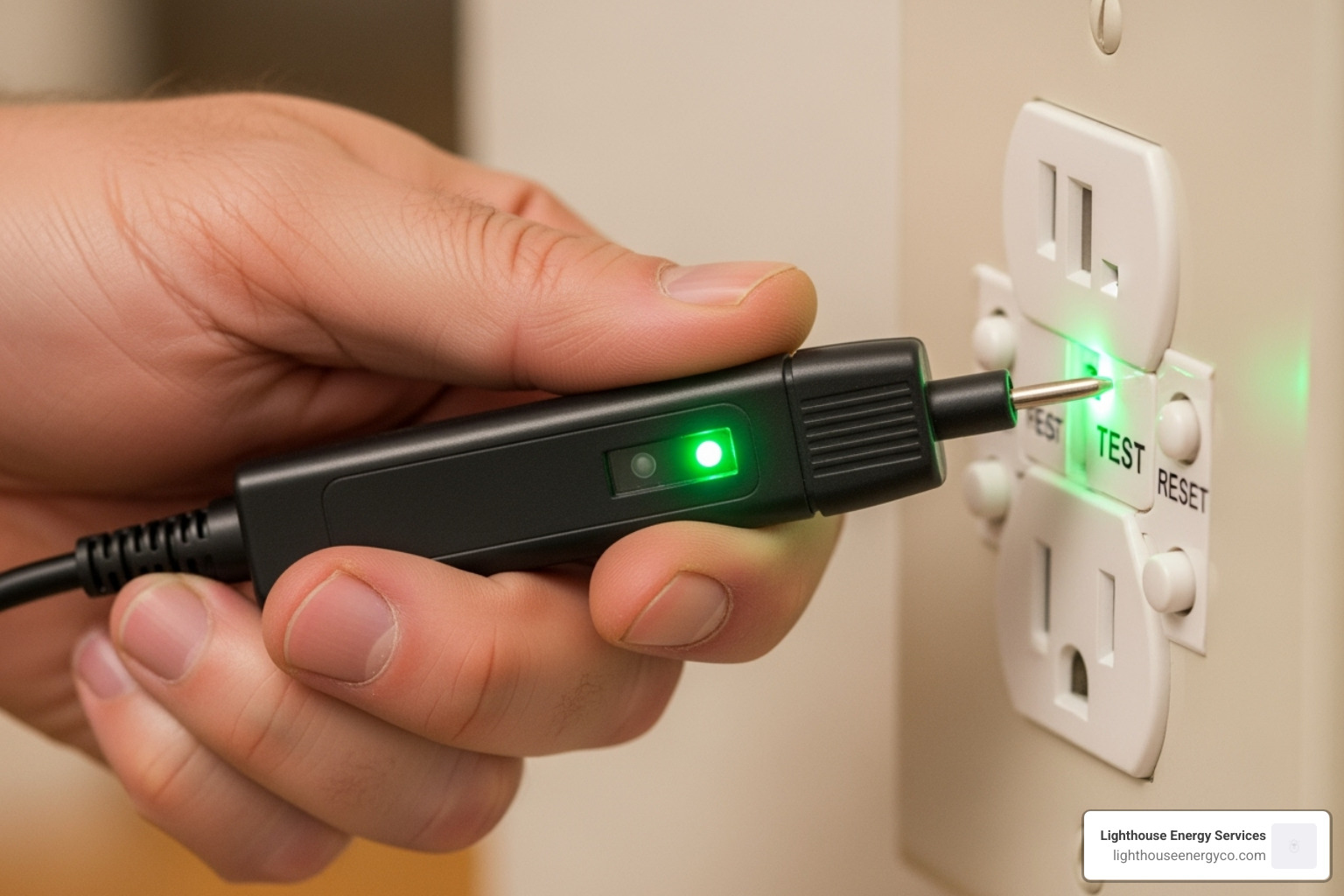
- Ground-Fault Circuit Interrupters (GFCIs) protect against electric shock. They detect tiny electrical leaks and cut power in a fraction of a second. You’ll find them in areas where water is present, like kitchens, bathrooms, and garages. They have “TEST” and “RESET” buttons.
- Arc-Fault Circuit Interrupters (AFCIs) are designed to prevent fires. They detect dangerous electrical arcing from damaged wiring or loose connections, which can generate intense heat. They are typically required in bedrooms and living areas.
Both devices need monthly testing. Plug in a lamp, press “TEST” (the lamp should go out), then press “RESET” (the lamp should turn back on). If it fails this test, the device needs immediate replacement. For more tips, download this electrical safety checklist from the NFPA.
Preparing for Your Electrical Home Safety Check
To help us work efficiently, please follow these steps:
- Provide clear access to your electrical panel, outlets, and switches.
- Make a list of any concerns, like flickering lights or tripping breakers.
- Unplug sensitive electronics like computers and home theater systems.
- Secure pets in a separate room for their safety and comfort.
- Gather any documentation of past electrical work or inspections.
Common Hazards and Next Steps After Your Inspection
After your electrical home safety check, we’ll review our findings with you. Finding problems isn’t bad news—it’s an opportunity to fix them before they become dangerous.
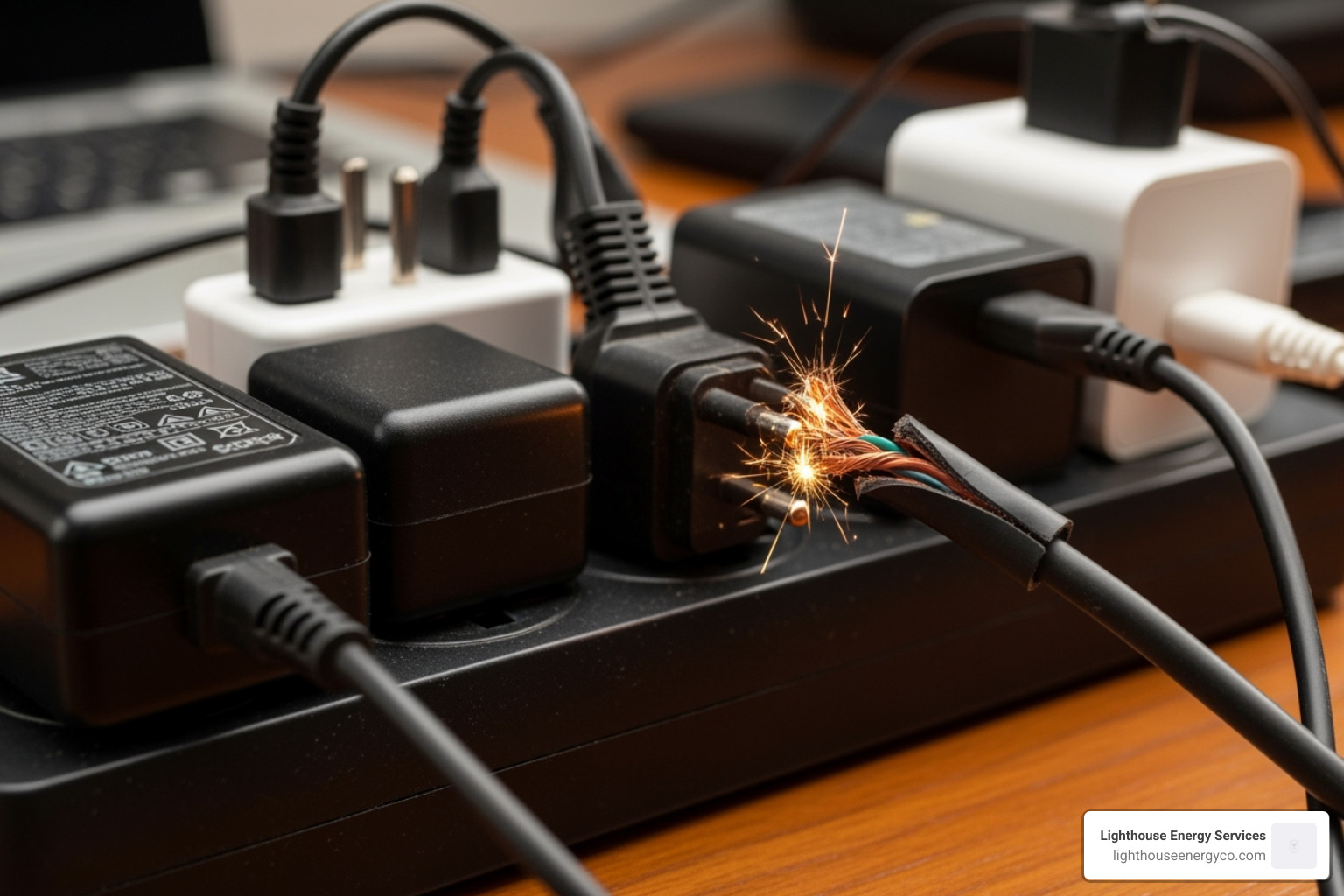
We frequently find several common hazards:
- Overloaded Circuits: Modern life demands more power than many older circuits can provide, leading to tripped breakers and fire risk.
- Faulty Wiring: This includes brittle insulation, rodent damage, or loose connections that can cause dangerous electrical arcing.
- Improper Grounding: A missing or inadequate ground path (often indicated by two-prong outlets) dramatically increases the risk of severe electric shock.
- Outdated Components: Hazardous panels (like Federal Pacific or Zinsco), old fuse boxes, and worn-out outlets pose significant safety risks.
- Water Damage: In Florida’s humid climate, moisture near electrical components can cause corrosion, short circuits, and electrocution hazards.
What to Do When Deficiencies Are Found
Finding issues is the first step. Here’s how we help you move forward:
- Review the Report: We explain each issue in plain English, so you understand what’s wrong and why it matters.
- Prioritize Repairs: We help you distinguish between urgent safety emergencies (like active arcing) and issues that can be scheduled based on your budget.
- Hire a Qualified Electrician: Electrical work is not a DIY project. Mistakes can be fatal, void your insurance, and violate codes. At Lighthouse Energy Services, we ensure the work is done right.
- Obtain Permits: For major repairs, permits are required to ensure work meets safety standards. We handle all the permitting paperwork and inspections for you.
- Ensure Code Compliance: All our repairs adhere to current electrical codes, making your home safer and preventing issues when you sell.
If we’ve identified issues, contact us for a repair quote. We’re available 24/7 to restore your home’s electrical safety.
Maintaining Safety Between Inspections
Between professional visits, you can take simple steps to maintain electrical wellness:
- Perform visual checks: Look for frayed cords, cracked outlets, or loose plugs.
- Avoid overloading outlets: Spread your electrical load across multiple circuits. Don’t plug power strips into other power strips.
- Use extension cords temporarily: Ensure they are rated for the appliance and never run them under rugs.
- Unplug unused appliances to save energy and reduce fire risk.
- Keep water away from electricity, especially in kitchens and bathrooms.
- Use proper wattage bulbs to prevent fixtures from overheating.
- Test GFCIs and AFCIs monthly by using their “TEST” and “RESET” buttons.
- Childproof outlets if you have young children.
For more tips, see this downloadable electrical safety tips sheet from the NFPA. These practices complement, but don’t replace, a professional electrical home safety check.
Frequently Asked Questions about Home Electrical Inspections
Homeowners often have great questions about electrical inspections. Here are answers to the most common ones we hear in Palm Beach County.
How much does a home electrical inspection cost?
For a comprehensive electrical home safety check, you can typically expect to pay between $150 and $350. The final cost depends on your home’s size and age, as older or larger homes require more time to inspect thoroughly. The scope of the inspection, such as including thermal imaging, can also affect the price.
While this may seem like an expense, consider the alternative. Emergency electrical repairs can cost thousands, and fire damage restoration can be tens of thousands. An inspection is a small investment in protecting your family and property from far greater costs.
Can I perform an electrical inspection myself?
While you can and should perform basic visual checks—like looking for frayed cords, testing GFCI outlets, and noting tripping breakers—a comprehensive electrical home safety check requires a licensed electrician.
There are three key reasons for this:
- Limited Visibility: You can’t safely inspect wiring behind walls, connections inside the electrical panel, or the home’s grounding system. These are where hidden dangers often lie.
- Technical Expertise: Licensed electricians have years of training in electrical codes, wiring methods, and safety standards. They can spot subtle signs of serious hazards that an untrained eye would miss.
- Inherent Danger: Electricity is dangerous. Attempting to inspect electrical components without proper training and equipment puts you at risk of severe shock, burns, or even fatal electrocution.
If you notice any warning signs, call a professional. Your job is to stay safe; our job is to handle the electricity.
How often should I get an electrical inspection?
The ideal frequency for an electrical home safety check depends on your home’s age and specific circumstances.
- For homes under 40 years old, we recommend an inspection every 3 to 5 years to catch issues as they develop.
- For homes over 40 years old, more frequent checks—every 1 to 3 years—are advisable due to the higher likelihood of outdated wiring and components.
Certain events should also trigger an inspection, regardless of age:
- Before buying or selling a property.
- After major storms or floods, as water and lightning can cause hidden damage.
- When planning major renovations or adding large appliances like an EV charger.
- If you notice any warning signs like flickering lights, burning smells, or frequent breaker trips. Call us immediately if you see these symptoms.
Ensure Your Home is Safe and Secure
Your home’s electrical system powers your daily life, but this complex network requires regular attention to remain safe. An electrical home safety check is a critical step in protecting your family, home, and peace of mind from hidden hazards.
Proactive maintenance is key. By identifying small issues before they escalate, you can prevent devastating house fires, electrical shocks, and costly emergency repairs. Regular inspections also ensure your home complies with current safety codes, which is important for insurance and resale value.
Here in Palm Beach County, Lighthouse Energy Services specializes in keeping South Florida homes safe. Our licensed electricians understand the unique challenges of our climate, from humidity to storm damage. We pride ourselves on our 24/7 availability, transparent pricing, and commitment to getting the job done right. When you call, you’ll speak directly with a qualified electrician.
Don’t wait for a flickering light to become a fire. Take control of your home’s safety today.
Schedule your comprehensive residential electrical inspection today and gain the peace of mind that comes from knowing your home has been evaluated by experienced professionals.