
You notice it first in the evening. The lights dip when the AC kicks on. A refrigerator hums longer than it should. A phone charger feels hot. In Palm Beach County, that kind of pattern often shows up during the months when every house is asking more from the electrical system at the same time.
Low voltage isn't just an annoyance. It can point to a stressed circuit, a wiring problem, a utility issue, or a connection that's starting to fail. If you're searching for what causes low voltage in house, the answer is that it usually comes from either pressure outside the home or resistance inside it. Both matter. The difference is knowing which one you're dealing with before expensive equipment gets damaged or a safety issue gets ignored.
Understanding Low Voltage and Why It Matters
When homeowners describe low voltage, they usually say the same things. Lights flicker. Ceiling fans seem lazy. The AC sounds like it's working too hard. Electronics act strange for no obvious reason.
The simplest way to understand it is to think of voltage like water pressure in a pipe. Normal voltage gives appliances the steady push they need to run correctly. Low voltage is weak pressure. The power is still there, but not with enough force to deliver what the equipment expects.
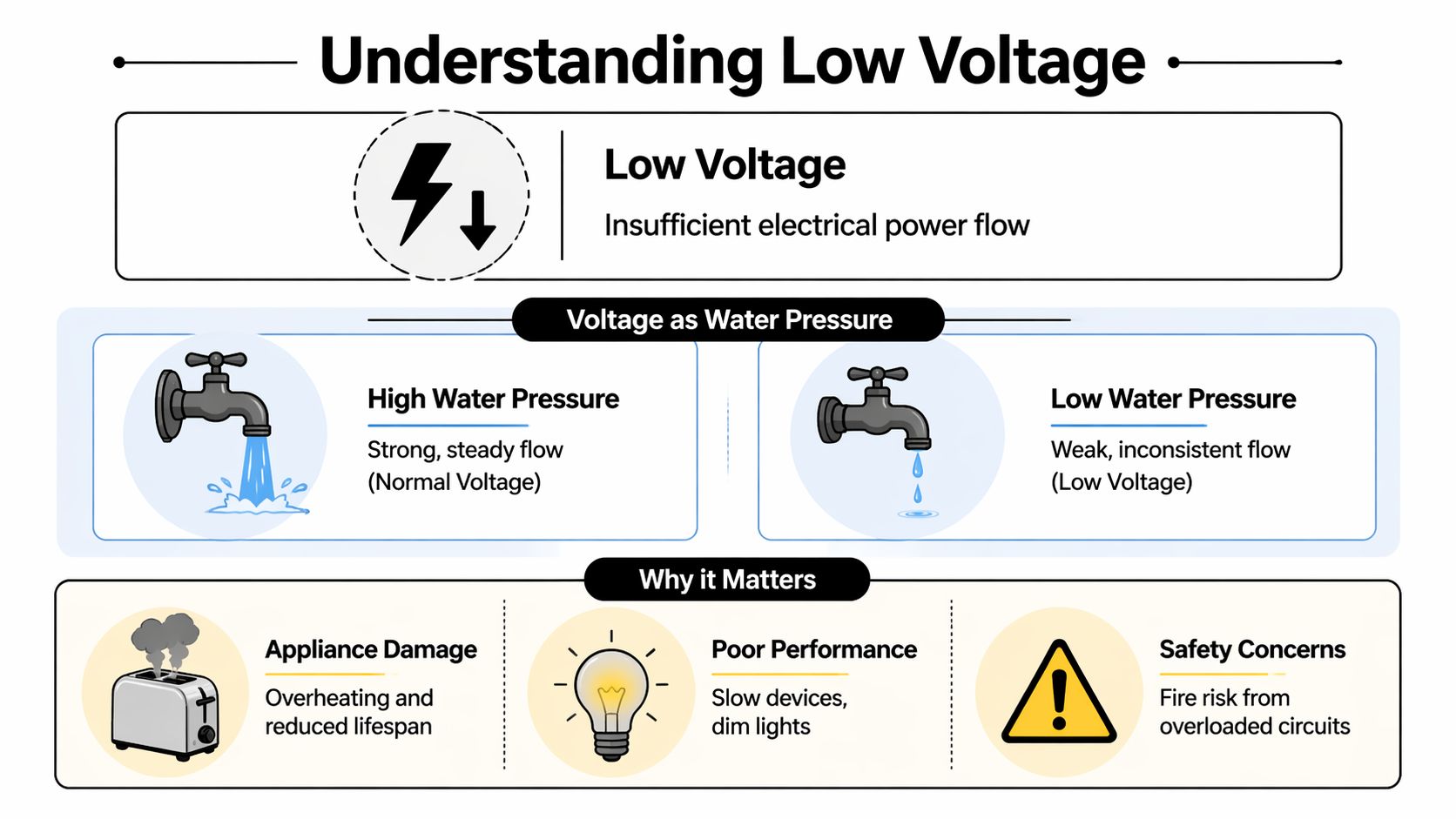
What low voltage looks like in a home
In a typical U.S. house, service should stay within a healthy operating range. The National Electrical Code guidance discussed later in this article gives a practical benchmark for what a branch circuit should maintain. When the delivered voltage falls too far, motors and electronics don't "run weaker." They often run hotter, struggle longer, and wear out faster.
That matters most with equipment that has a motor or compressor. Air conditioners, refrigerators, pumps, and garage door openers all depend on stable voltage. When voltage drops, many of those devices draw current in a way that increases heat inside the equipment.
Low voltage often shows up as dim lights first, but the bigger problem is what you don't see inside the motor windings and electrical connections.
Why the risk is bigger than most people think
A low-voltage condition can shorten appliance life, trigger nuisance shutdowns, and raise power use because equipment runs inefficiently. If you've been trying to understand why your electric bill might be so high, unstable voltage can be part of the story, especially when major appliances keep struggling through start-up cycles.
The safety side is even more serious. A review of electricity-related injury cases found that low-voltage current was responsible for 351 electrocution deaths, making it the most frequent electrical killer in that study, and 78.06% of those incidents were household accidents linked to conditions such as faulty wiring and overloaded circuits, according to the PubMed study on electricity-related injuries.
That isn't a reason to panic. It is a reason to pay attention when your house starts sending signals. Low voltage is one of those issues that homeowners often live with for too long because the symptoms seem minor at first. They usually aren't.
Decoding the Symptoms of a Low Voltage Problem
Most homes don't announce low voltage with one dramatic failure. They whisper it. A lamp dims for a second. The microwave sounds different. The AC hesitates, then starts with a groan. An outlet cover feels warmer than usual when a heavy-load appliance is running.
In Palm Beach County homes, I’d pay close attention to symptoms that show up during the hottest part of the day or right when multiple large loads turn on together. That timing tells you a lot.
What homeowners usually notice first
Some signs are obvious. Others get dismissed as quirks.
- Lighting changes: Lights dim when the AC, refrigerator, or pool equipment starts.
- Motor struggle: Equipment with motors hums, buzzes, or takes longer to start.
- Heat where there shouldn't be heat: Plugs, cords, or outlets feel unusually warm.
- Electronics misbehave: Devices reset, chargers act erratically, or screens flicker.
- Performance drops: AC cooling weakens, fans slow down, or appliances seem sluggish.
A single symptom doesn't prove the cause. A pattern does.
Low Voltage Symptom & Potential Cause Checklist
| Symptom | Potential Cause |
|---|---|
| Lights dim when a large appliance starts | Overloaded circuit, voltage drop on a long wire run, utility-side supply dip |
| AC unit groans or struggles to start | Low supply voltage, undersized wiring, failing connection, stressed compressor circuit |
| Refrigerator hums longer than normal | Low voltage on the circuit, loose connection, aging branch wiring |
| Outlet or plug feels warm | Resistance from a loose or corroded connection, overloaded receptacle, damaged cord |
| Computer or router restarts unexpectedly | Voltage fluctuation, weak circuit, sensitive electronics reacting to unstable power |
| One room has repeated issues but the rest of the house doesn't | Localized branch circuit problem, bad receptacle, loose splice, overloaded circuit |
| Whole-house dimming appears at peak usage times | Utility demand issue, service problem, or major internal load stressing the system |
| Extension cord tools or equipment seem weak | Excessive voltage drop across a long or undersized cord |
Practical rule: If the symptom follows one appliance, start by suspecting that circuit. If the symptom affects several parts of the home at once, think bigger, either at the panel or outside the house.
What the pattern tells you
If only one room acts up, the problem is usually local. If the whole house dips when the AC starts, the issue may involve the service, the panel, or a major load drawing more than the system can comfortably deliver.
What you don't want to do is guess based on one event. Watch when it happens, what was running, and whether it affects one circuit or several. That short list of observations makes troubleshooting much faster and safer.
External Causes Originating from the Utility Grid
Not every low-voltage problem starts inside the house. In Palm Beach County, summer demand can push the utility system hard, especially when air conditioners across the neighborhood are cycling at the same time.
That kind of strain can show up as a brownout, which is a drop in voltage without a total loss of power. You still have electricity, but equipment isn't getting the steady supply it expects.
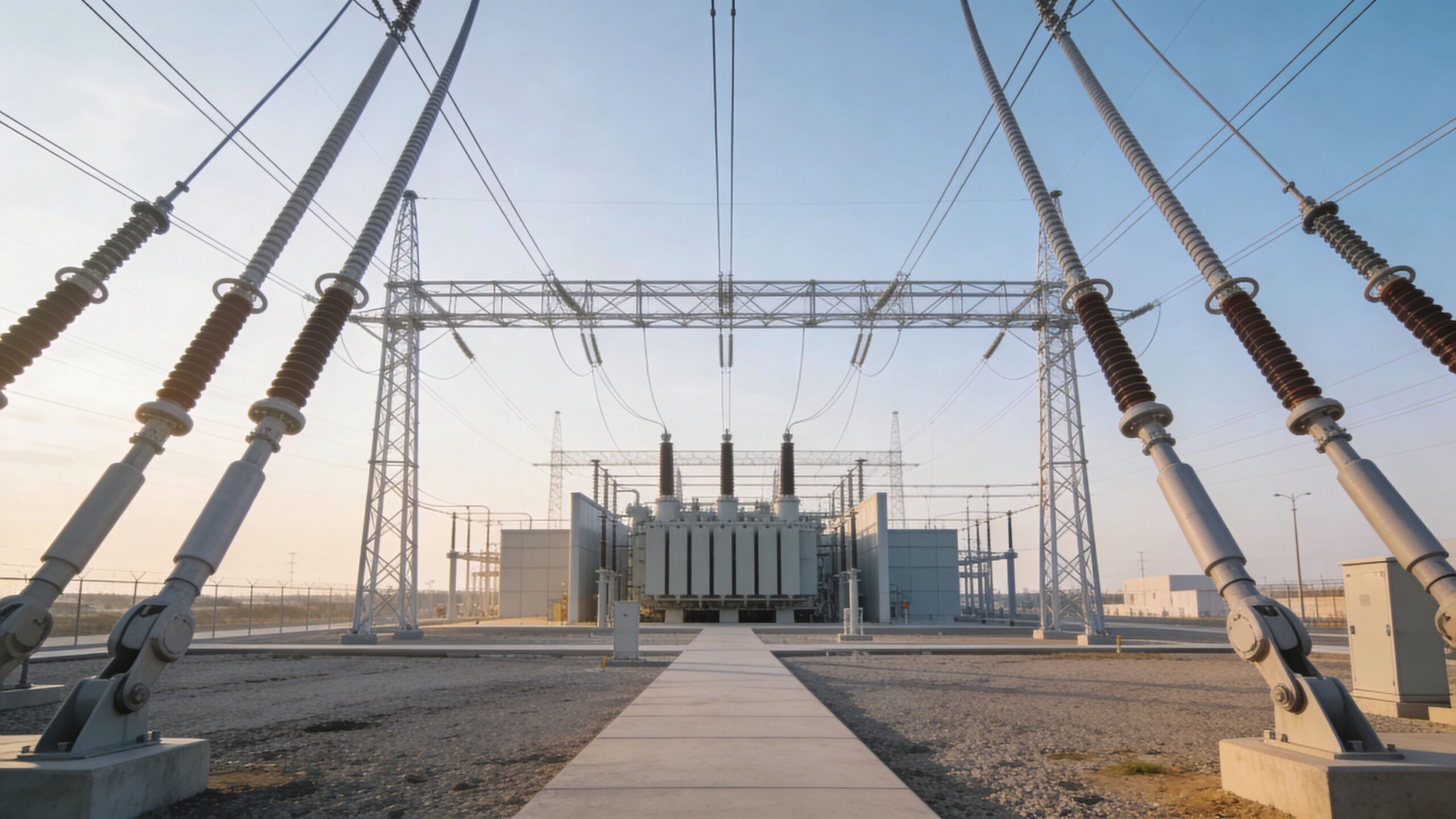
Grid-wide demand and neighborhood equipment
Peak demand is the most common external trigger homeowners notice. On very hot days, widespread AC use can pull service voltage down. You may see lights dip in the evening, or the problem may only appear during heavy cooling hours.
There are also smaller-area utility problems. A failing neighborhood transformer, a compromised service drop, or a loose utility-side connection can affect just your house or a handful of nearby homes. If your neighbors are seeing the same symptoms, that's useful information.
For homeowners trying to understand the larger system behind these issues, Lighthouse has a helpful page on electrical distribution systems.
How to tell if the source is outside
External problems tend to leave clues:
- Neighbors notice it too: If nearby homes report dimming or weak appliance performance, the utility is a likely suspect.
- It lines up with heat and peak hours: If the issue gets worse during the hottest part of the day, system demand may be involved.
- Several circuits act up at once: Utility-side issues often affect the whole house, not one outlet or one room.
A damaged service line can look similar to an internal fault, which is why professional testing matters. The same symptom, dimming lights throughout the home, can come from either side of the meter.
If the problem affects the whole house and started suddenly, check with neighbors before you assume the wiring inside your walls is the culprit.
Call the utility when there are signs of a service-side issue. Call an electrician when the utility clears their equipment or when the symptoms point inward. Sometimes it takes both.
Internal Wiring Problems Inside Your Home
Most low-voltage complaints come from inside the home. One source notes that approximately 70% of low voltage incidents are caused by internal issues like overloaded circuits, and that a 100-foot #14 AWG extension cord carrying a 15-amp load can create a 5-7% voltage drop, enough to exceed recommended limits and starve appliances of power, as described in this review of common low-voltage problems in homes.
That lines up with what electricians see in the field. The root cause is usually load, distance, connection quality, or aging equipment.
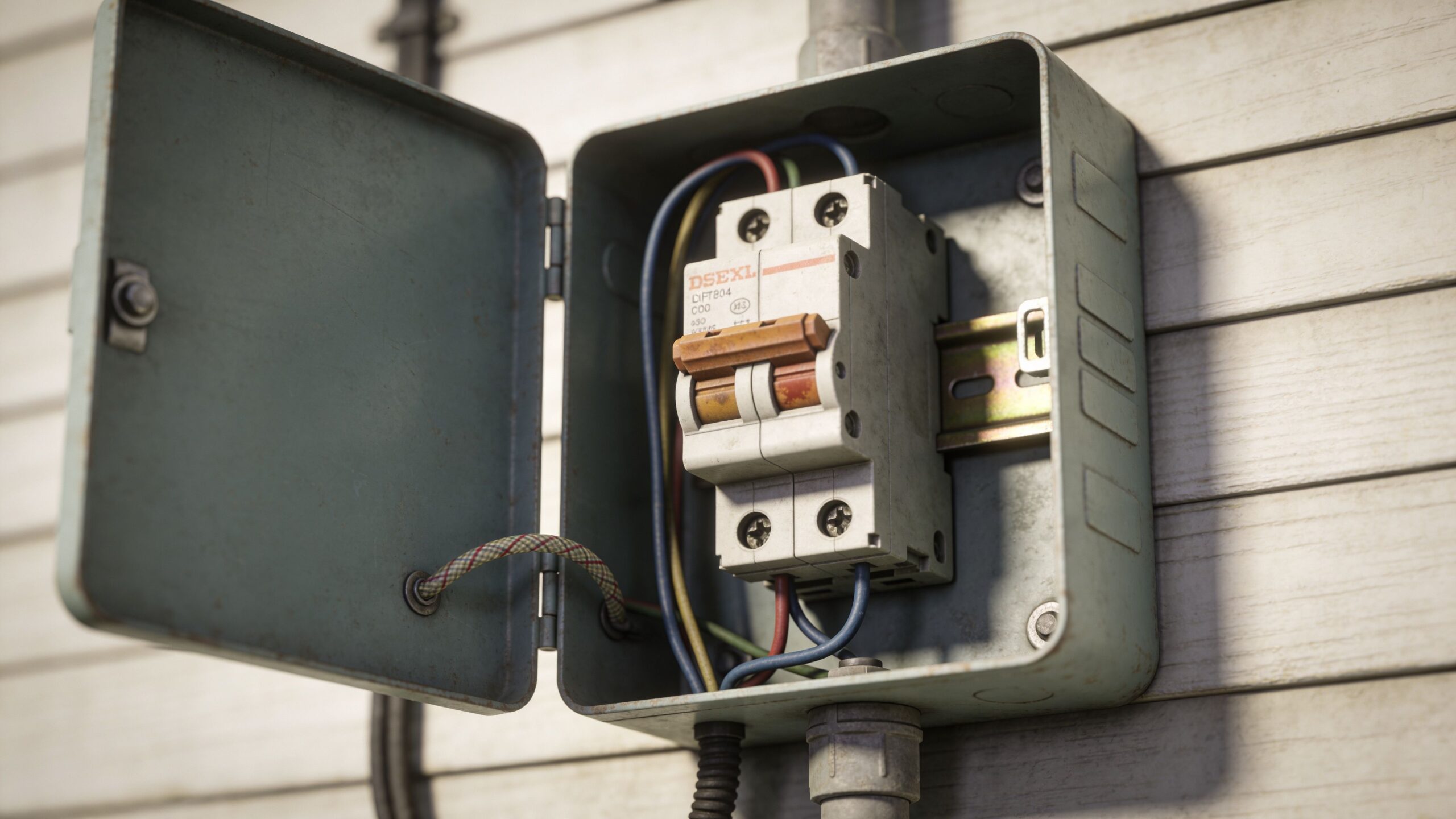
Overloaded circuits
An overloaded circuit is like forcing too many cars onto a two-lane road. Everything slows down. In electrical terms, too many high-draw devices on one branch circuit can drag voltage down when they run together.
This shows up all the time in lived-in homes that were never designed for today's load. A room that once handled lamps and a television may now support a portable AC, gaming setup, chargers, office equipment, and a space-saving kitchen appliance on the same branch.
Common trouble spots include:
- Living areas with added electronics: Entertainment centers, chargers, and portable cooling equipment stack up fast.
- Garages and patios: Freezers, tools, battery chargers, and outdoor gear often share circuits.
- Bedrooms used as home offices: Computers, printers, monitors, and mini-fridges can overload what used to be a light-duty room.
Long runs and undersized wire
Distance matters. So does wire size. Every foot of wire adds resistance, and resistance causes voltage drop.
The problem gets worse when homeowners rely on long extension cords, especially for heavy loads. A long, undersized cord may work in the sense that the appliance turns on, but it doesn't mean the appliance is being fed properly. That's how motors get hot and insulation breaks down.
If your home has long branch runs, detached structures, or equipment far from the panel, wire sizing needs to match the actual load and distance. When it doesn't, the symptoms often look random until tested under load.
Loose and corroded connections
South Florida humidity is hard on electrical connections. Corrosion increases resistance. Resistance creates heat. Heat damages terminals, wire ends, receptacles, and breaker connections.
This is one of the most common reasons a low-voltage issue becomes dangerous. The house may still "work," but a loose termination can act like a bottleneck. Current tries to move through a poor connection, and the result is heat exactly where you don't want it.
A loose connection can imitate several different problems at once. Dimming, buzzing, heat, and intermittent operation often point back to one weak point in the circuit.
Aging panels and worn components
Sometimes the wiring isn't the only issue. The panel itself may be outdated, fatigued, or not suited for the current demands of the house. Breakers, bus connections, and service components wear over time, especially in coastal conditions.
If your home has repeated voltage complaints, panel evaluation matters. In some cases, the fix is targeted. In others, the safer answer is a full update. If you're weighing whether repairs or replacement make more sense, this guide to professional wiring and rewiring services gives homeowners a useful overview of what broader corrective work can involve.
For homes with aging service equipment, electrical panel upgrades are often part of the long-term fix.
Safe DIY Diagnostics Versus When to Call an Electrician
Homeowners can do a few useful checks without taking on unnecessary risk. The key is to gather information, not to open equipment or touch energized parts.
Start with what you can observe safely from the outside. Which rooms are affected? Does the issue happen only when the AC starts? Do lights dim on one circuit, or across the whole home? Those details are more significant than commonly understood.
What you can safely check
- Unplug and isolate: Turn off or unplug nonessential devices on the affected circuit and see whether the symptom changes.
- Track timing: Note whether voltage problems appear when large loads start, such as the AC, pool pump, or refrigerator.
- Inspect cords and plugs: Look for damaged insulation, discoloration, loose blades, or signs of overheating.
- Compare locations: Check whether one area of the house is affected or whether the issue is widespread.
- Use normal controls only: Reset a tripped breaker once if appropriate, but don't force a breaker that won't hold.
One technical benchmark is worth knowing. The National Electrical Code guidance advises limiting voltage drop to a maximum of 5% from the service panel to the furthest outlet, which means a 120V circuit shouldn't fall below 114V. Exceeding that range, often because of long or undersized wires, can force motors to draw more current and generate dangerous heat, as explained in this discussion of residential low-voltage causes and voltage drop.
What you should never do
Do not remove the panel cover. Do not tighten terminals. Do not bypass a breaker. Do not replace a breaker with a larger one because something keeps tripping.
Those actions move you from observation into shock and fire territory. A low-voltage issue can involve hidden heat damage, compromised insulation, or a failing main connection. Those aren't DIY repairs.
"If an outlet is warm, a cord smells hot, or a breaker behaves oddly, stop using that circuit until it has been checked."
If you're seeing repeated dimming, warm outlets, burning odors, buzzing from the panel area, or whole-house voltage problems, schedule a professional electrical home safety check. That's the right point to stop guessing.
Your Trusted Electrical Partner in Palm Beach County
A lot of homeowners call after the same kind of night. The AC is running hard, lights dip when it starts, and one room never seems to cool the way it should. By morning, the problem looks smaller. The house still has power. But low voltage rarely fixes itself.
In Palm Beach County, I see the same local pressure points again and again. Summer cooling demand pushes weak connections harder. Salt air and humidity speed up corrosion in panels, disconnects, meter equipment, and outdoor terminations. Older homes, additions, and past remodels can leave circuits carrying loads they were never sized to handle.
Good troubleshooting starts with finding the exact failure point. A low-voltage complaint might trace back to a damaged service connection, a tired panel, corrosion at a disconnect, undersized conductors, or a utility issue outside the home. The repair depends on the cause. One house needs a service repair. Another needs circuits separated, conductors replaced, or a panel upgrade to handle modern loads safely.
That is the value of working with a local electrical contractor that deals with these conditions every day.
Lighthouse Energy Services has served Palm Beach County since 2005 with 24/7 electrical service, emergency troubleshooting, rewiring, panel upgrades, and load-reduction solutions such as Smartcool ECO3 installation. Phones are answered by licensed electrical professionals, which matters when you're trying to decide whether a voltage problem can wait until morning or needs immediate attention. The goal is straightforward. Find the source, make the repair correctly, and protect the home from repeat failures, equipment damage, and fire risk.
Frequently Asked Questions About Low Voltage
Can one bad appliance cause low voltage in the whole house
Usually not. A faulty appliance is more likely to affect one circuit or create symptoms when it turns on. If the whole house dims or multiple areas behave oddly at the same time, the issue is more likely tied to the service, panel, a major connection, or a utility-side problem.
Will a voltage stabilizer or UPS solve the problem
It can help protect specific electronics. That's useful for computers, networking equipment, and other sensitive devices. But it doesn't repair bad wiring, loose connections, overloaded circuits, or service issues. Think of it as protection for the equipment, not a cure for the house.
What's the difference between a brownout and a blackout
A brownout is a drop in voltage while power is still on. A blackout is a full loss of power. Brownouts are often harder on motors and electronics because the equipment tries to keep operating on weak supply.
Is low voltage worse in summer in Palm Beach County
It often is. Air conditioners run harder, more homes place heavy demand on the grid, and marginal connections tend to reveal themselves when the system is under stress. Humidity and corrosion don't help either.
Should I keep using a circuit if the outlet feels warm
No. Stop using that circuit until it's checked. Warmth at an outlet, plug, or cord can point to resistance, overload, or a failing connection.
If your home has flickering lights, struggling appliances, warm outlets, or recurring voltage dips, Lighthouse Energy Services can help identify the underlying cause and fix it safely. Serving Palm Beach County with true 24/7 response, licensed expertise, and clear recommendations, the team handles diagnostics, repairs, panel upgrades, rewiring, and emergency electrical issues when you need answers now.