
Why Your 150 Amp Panel Might Be Perfect (Or Why You Need More)
A 150 amp panel is a mid-range electrical service option that distributes power throughout your home. Here’s a quick look at when it’s the right choice:
Is 150 Amps Right for You?
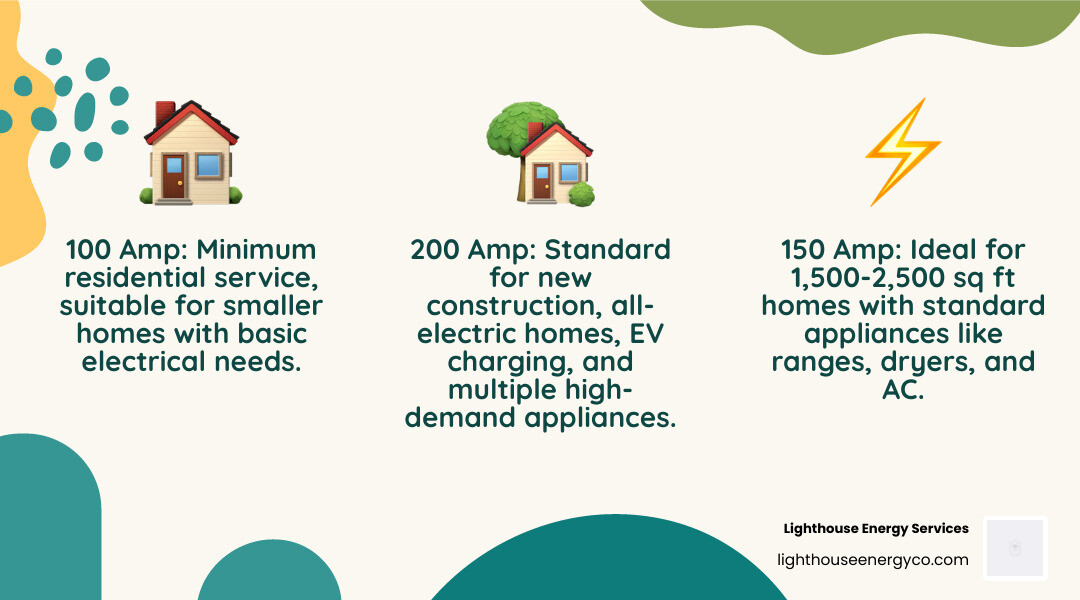
- Usually sufficient for: Homes 1,500-2,500 sq ft with standard electric appliances (range, dryer, AC).
- May be insufficient for: All-electric homes, EV chargers, or multiple high-demand appliances running at once.
- Cost advantage: The panel is typically $50-$150 cheaper than a 200-amp model, with lower installation costs if existing wiring can be used.
- Common brands: Square D, Siemens, Eaton, and GE panels range from $150-$350.
The bottom line: A 150 amp service handles most residential loads, but modern homes with high-demand devices often benefit from a 200-amp upgrade.
If you have flickering lights, tripping breakers, or plan to add major appliances, your panel may be overloaded. While the minimum residential service is 100 amps, many homes from the 1980s and 90s have 150 amp panels that struggle with modern electrical demands.
These panels were a popular middle ground, and while 200 amps is now standard for new construction, 150 amps remains a practical choice for many upgrades, especially when wiring limitations make a 200-amp upgrade too costly.
As an electrical contractor with decades of experience, I’ll walk you through when 150 amps is enough and when you need more.
Understanding the 150 Amp Panel: Specs and Suitability
Your electrical panel is the heart of your home’s electrical system, distributing power from your utility company. Amperage (amps) measures the flow of electrical current—think of it as the number of lanes on a highway for electricity. A 150 amp panel can safely handle up to 150 amperes of current, offering more capacity than the 100-amp minimum without the full cost of a 200-amp upgrade.
What is a 150 Amp Panel?
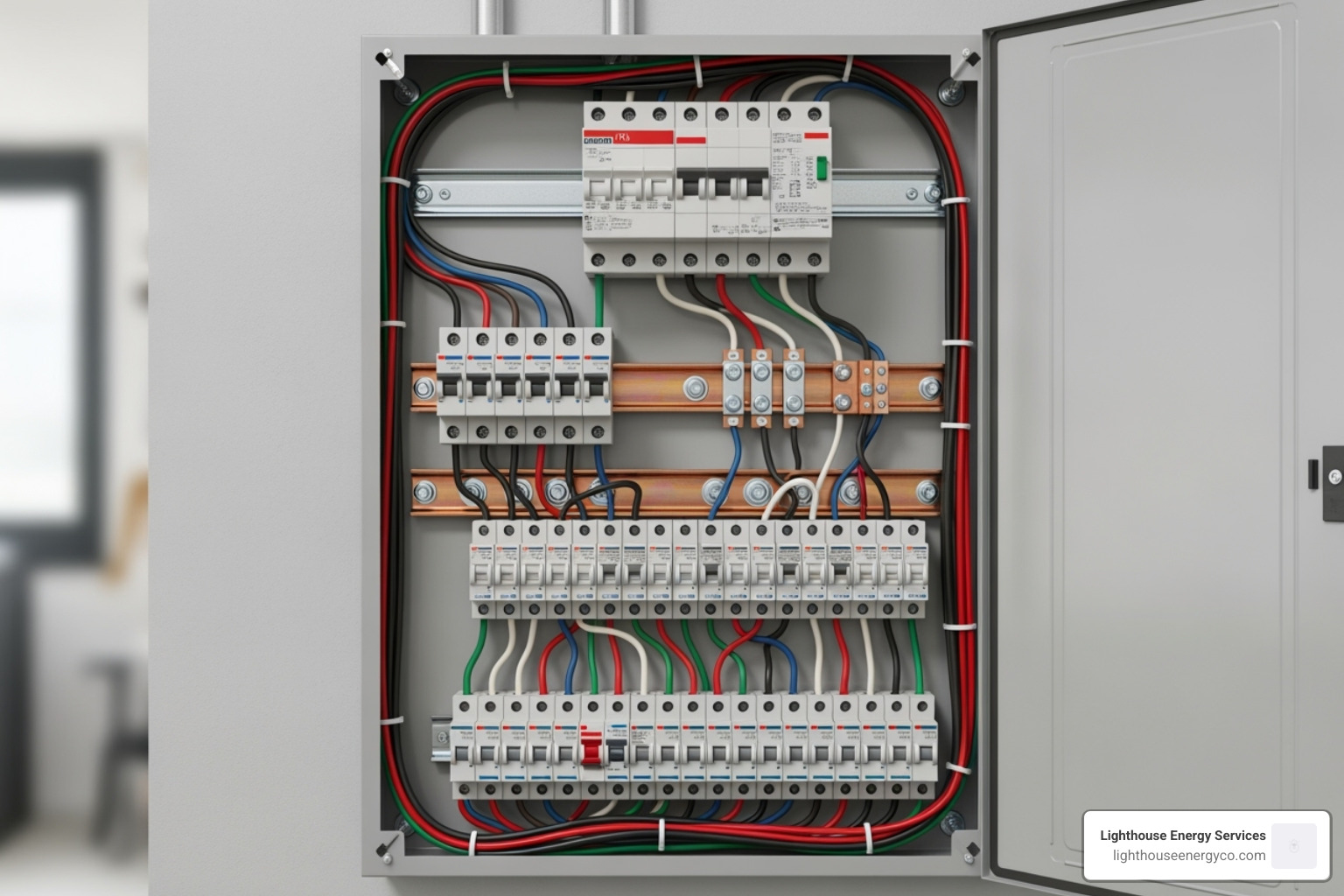
A 150 amp panel is a load center with a main breaker or lugs rated for 150 amps of service capacity. While 100 amps is the minimum code requirement, modern homes often need more power. The 150 amp panel provides that extra capacity, making it a popular choice for mid-size homes built from the 1960s to the 1990s. They are excellent for upgrading older 100-amp services or fuse boxes and are also frequently installed as subpanels for workshops or detached garages.
Key Specifications to Consider
When choosing a 150 amp panel, several specs are important:
- Number of spaces: This determines how many circuit breakers the panel can hold. Modern tandem breakers allow two circuits in one space, so a 30-space panel can handle 60 circuits. For many homeowners, having enough spaces is more critical than the amperage.
- Main Breaker vs. Main Lug: A main breaker panel has a master switch to cut all power and is used for the main service. A main lug panel lacks this switch and is used as a subpanel, fed from a breaker elsewhere.
- Voltage Rating: Residential panels are rated for 120/240 volts, single-phase power.
- Enclosure Type: Indoor panels have a NEMA 1 rating. Outdoor panels require a weather-resistant NEMA 3R or NEMA 4 rating.
- Bus Bar Material: Look for tin-plated copper bus bars, which offer excellent, corrosion-resistant conductivity.
Is 150 Amps Enough for Your Home?
A professional load calculation is the only way to know for sure. A 150 amp panel is usually sufficient for a 1,500-2,500 sq ft home with standard electric appliances (range, dryer, central AC).
High-demand items are the main concern. A Level 2 EV charger (40-50 amps) or a hot tub (50 amps) on a dedicated circuit can push a 150-amp service to its limit, especially when other major appliances are running. On-demand water heaters and multiple HVAC units also add significant load.
It’s also important to future-proof. If you’re planning a home addition or converting to all-electric heating, a 150 amp panel might not be enough long-term. Warning signs that you’re maxing out your service include lights dimming when appliances turn on or frequently tripping breakers.
At Lighthouse Energy Services, we always start with a professional load calculation. It’s the only way to know whether 150 amps will serve you well or if you should jump straight to 200 amps.
Comparing Your Options: 150 Amps vs. Other Service Sizes
Choosing the right electrical service size means balancing current needs with future plans. The main residential options are 100, 150, and 200-amp panels, and the key is to understand what you’re getting for your money.
| Service Amperage | Typical Home Size | Appliance Capacity | Future Needs | Relative Cost (Panel Only) |
|---|---|---|---|---|
| 100A | Small (under 1,500 sq ft) | Basic electric appliances, gas range/dryer, limited AC | Very limited | $100-$200 |
| 150A | Medium (1,500-2,500 sq ft) | Standard electric appliances (range, dryer, AC), some power tools, no EV charger | Moderate expansion | $150-$350 |
| 200A | Large (2,500+ sq ft) | All-electric home, multiple AC units, EV charger, hot tub, heavy workshop equipment | Excellent for future growth | $200-$450 |
Advantages Over a 100 Amp Service
Upgrading from a 100-amp service to a 150 amp panel offers significant benefits. You get 50% more power, which means fewer tripped breakers and dimming lights when major appliances turn on. A typical 150 amp panel also provides more circuit space (often 30-32 spaces, for up to 64 circuits), giving you room for new circuits for a home office or kitchen upgrades.
A 150-amp service easily handles power-hungry electric ranges and dryers running at the same time. It also provides flexibility for moderate future additions, like a home gym or small workshop, without the full cost of a 200-amp upgrade. For many homeowners, a 150 amp panel is the perfect balance of power, space, and cost.
When to Choose a 200 Amp Service Instead
In some cases, upgrading directly to 200 amps is the smarter choice. A 200-amp service is the modern standard for new construction and a necessity for all-electric homes that rely on electricity for heating, cooking, and water.
If you plan to add an electric vehicle charger (40-50 amps) or a hot tub (50 amps), a 200-amp service is highly recommended. The same applies to homes with multiple HVAC units or extensive smart home technology.
The cost difference for the panel itself is minimal (often just $50-$150). Upgrading to 200 amps now can save you the expense of a second upgrade later. If you’re on the fence, going bigger is usually the wiser long-term investment.
If you’re trying to figure out which service size makes the most sense, we’re here to help. Our team can perform a proper load calculation and walk you through the options. For more detailed information, check out our upgrade services page.
Installation and Safety for Your 150 Amp Panel
Installing or upgrading a 150 amp panel is not a DIY project. It involves high-voltage electricity and must be performed by a licensed electrician to ensure your family’s safety and compliance with all electrical codes. These codes exist to prevent electrical fires and injuries.
Main Panel vs. Subpanel Applications
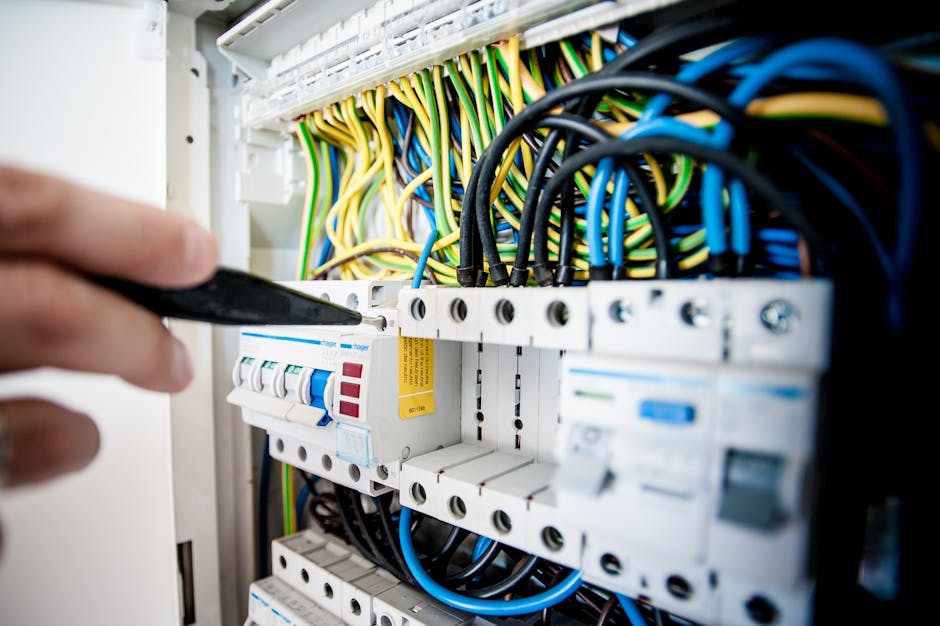
A 150 amp panel is versatile. As a main panel, it connects to the utility meter and contains the main breaker, distributing power to your entire home.
It also works perfectly as a subpanel for powering additions, detached garages, or workshops. For example, instead of running many individual circuits from a 200-amp main panel to a new workshop, we can install a 150 amp subpanel in the workshop, fed by a single large feeder circuit. This creates an efficient, localized distribution center with ample capacity for tools and lighting.
Essential Installation Considerations for a 150 amp panel
A safe, code-compliant installation requires several critical considerations:
- Wire Sizing: The service entrance cable must be properly sized to carry 150 amps. This typically requires 2/0 gauge aluminum or #1 gauge copper wire, though the exact size depends on installation conditions.
- Breaker Sizing: Breakers must be correctly sized for the panel, the wire they protect, and the load they serve.
- Grounding and Bonding: These are your primary safety features against shock and fire. In a main panel, the neutral and ground wires are bonded together. In a subpanel, they must be kept separate—a common and dangerous DIY error. The Discussion on NEC requirements covers some of these technical details.
- Permitting Process: Panel installations require permits and inspections to ensure the work meets safety standards and protects your home’s value. We handle all the paperwork and coordination for you.
Safety First: Best Practices for Electrical Panels
Recognizing the signs of a failing panel can prevent a disaster.
- Warning Signs: Flickering lights, frequently tripping breakers, and rust or corrosion on the panel are all red flags.
- Emergency Signs: Buzzing, crackling, or burning smells from the panel are emergencies. Shut off the main breaker if it’s safe to do so and call an electrician immediately.
- Outdated Panel Hazards: Certain older brands—like Federal Pacific, Zinsco, and Challenger—are known fire hazards because their breakers can fail to trip. If you have one, an upgrade is a critical safety measure.
- Accessibility and Labeling: Your panel needs at least three feet of clear, accessible space in front of it. Clear and accurate circuit labeling is also essential for safety and convenience.
Frequently Asked Questions about 150 Amp Panels
Here are answers to some of the most common questions we receive about 150 amp panels.
Can I put a 150 amp main breaker in a 200 amp panel?
Yes, this is a common and smart solution. It’s often done when your service entrance wiring is rated for only 150 amps, and upgrading it would be prohibitively expensive (e.g., requiring excavation).
By installing a 200-amp rated panel (which typically has more breaker spaces) with a 150-amp main breaker, you get extra room for future circuits while ensuring the panel doesn’t draw more power than your wiring can handle. This setup future-proofs your electrical system without the high upfront cost of a full service upgrade.
This configuration must be installed by a licensed electrician and approved by an inspector to ensure the main breaker correctly matches the wire capacity. It’s crucial that no one later replaces the 150-amp breaker with a 200-amp one without also upgrading the service wires.
How much does a 150 amp panel cost?
The panel itself is a small part of the total installation cost. A 150 amp panel alone typically costs between $150 and $350, depending on the brand and features.
However, the total installation cost is significantly higher, usually running between $1,500 and $4,000 or more. This price includes skilled labor from licensed electricians, permits, inspections, new wiring, grounding systems, and any other necessary upgrades to meet code. The final price depends on the complexity of the job, especially in older homes with outdated wiring. We provide transparent, upfront estimates so you know the full cost before we begin.
How many circuits can a 150 amp panel have?
A panel’s amperage (150 amps) is its total power capacity, but the number of circuits depends on its physical number of “spaces” for breakers.
Most modern panels accept tandem breakers, which fit two circuits into a single space. This means a “30-Space 60-Circuit” panel has 30 physical slots that can hold up to 60 individual circuits. Common 150 amp panel models range from 20 to 42 spaces, supporting up to 84 circuits.
This is great news if you’re running out of breaker space but don’t necessarily need more amperage. Upgrading to a panel with more spaces allows you to add dedicated circuits for new appliances, a home office, or simply to better organize your home’s electrical loads.
Is It Time to Upgrade? Making the Right Choice for Your Home
Deciding whether to upgrade your electrical panel is a major decision for your home’s safety and functionality. Your electrical system is critical; while it works silently, problems can range from inconvenient to dangerous, including electrical fires.
If you’ve noticed warning signs like flickering lights, frequent breaker trips, or a burning smell, your system is telling you it needs attention. The same is true for outdated panels, especially known fire hazards like Federal Pacific or Zinsco models.
However, an upgrade isn’t always necessary. If your current 150 amp panel meets your needs and you have no plans for major electrical additions like an EV charger or hot tub, your money may be better spent elsewhere. This is why a professional assessment is crucial. A licensed electrician will perform a load calculation, inspect your equipment, and discuss your future plans to provide an honest recommendation.
At Lighthouse Energy Services, we’ve helped countless Palm Beach County homeowners make this choice. Our licensed master electricians provide honest assessments based on your specific needs. We’re available 24/7, offer transparent pricing, and ensure the job is done right.
Whether a 150 amp panel is right for you or a 200-amp upgrade is the smarter move, we’ll provide a clear, honest recommendation. We’re here to ensure your home’s electrical system is safe, reliable, and ready for the future.
Your home deserves an electrical system you can trust. Don’t wait for a minor issue to become a major emergency. Contact Us for a professional panel inspection today, or Explore our electrical panel upgrade services to see how we can help.